

If you live in a rural area or a home not connected to a municipal sewer system, chances are you have a septic system. Understanding how a septic system works is crucial for maintaining a healthy and functional wastewater treatment solution. In this comprehensive guide, we’ll explore the inner workings of septic systems and provide valuable information to keep your system running smoothly and efficiently.
So, how does a septic system work?
How Do Septic Systems Work?
If you’re a new homeowner or property owner navigating waste management options, you might ask: How do septic systems work?
A septic system is an underground wastewater treatment solution designed to process and safely dispose of household waste. It relies on natural processes combined with proven technology to treat wastewater generated by plumbing fixtures such as toilets, kitchen drains, and laundry appliances.
The two main components of a septic system are:
- Septic Tank: A watertight container that receives wastewater and initiates its treatment by separating solids and liquids.
- Drain Field: A subsurface soil absorption area where the partially treated wastewater is safely dispersed and filtered.
These components work together to ensure wastewater is effectively treated and safely returned to the environment, protecting public health and groundwater quality.
The Septic Tank: The Heart of the System
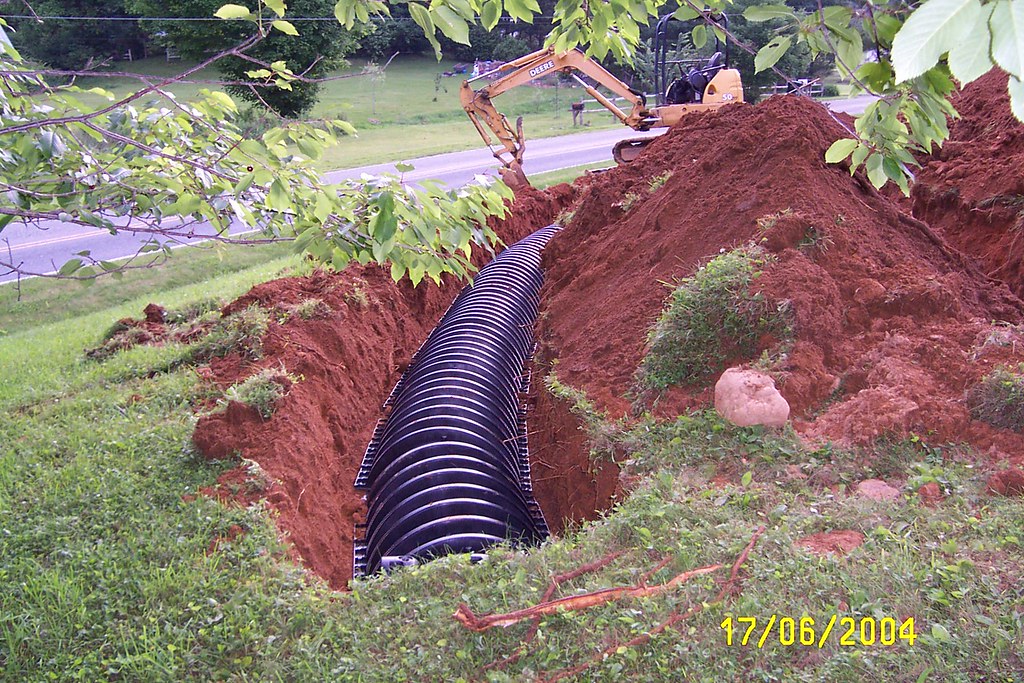
The septic tank is the first stop for wastewater leaving your home. It is typically a large, buried container made from durable materials such as concrete, fiberglass, or polyethylene. The tank’s design allows wastewater to remain long enough for solids to settle to the bottom, forming sludge, while oils and greases float to the top, forming scum.
The tank is partitioned into two compartments. The first compartment serves as the primary treatment area where most solids settle. The second compartment provides additional settling and acts as a buffer between the primary treatment zone and the drain field, ensuring only partially treated effluent moves onward.
Incoming wastewater displaces the pre-treated effluent, which flows from the first compartment to the second and eventually out to the drain field. Beneficial bacteria within the tank break down organic solids, reducing sludge buildup over time and helping sustain system efficiency.
The Drain Field: Where the Magic Happens
After partial treatment in the septic tank, wastewater is discharged into the drain field—also called a leach field—where further purification occurs. This field is a shallow, covered excavation in unsaturated soil designed to receive and treat effluent through natural filtration.
The drain field consists of a network of perforated pipes laid in trenches filled with porous materials such as gravel. These pipes distribute the effluent evenly across the soil surface beneath the field, which is then covered by soil to prevent contamination from surface runoff and animal intrusion.
As wastewater percolates through the soil, naturally occurring microbes break down harmful bacteria and pathogens, while soil particles filter out impurities and nutrients. This process effectively treats the wastewater before it reaches the groundwater system.
The drain field’s size and layout depend on factors including wastewater volume and soil permeability. Proper maintenance and avoiding overloading are essential to ensure it functions effectively and lasts for decades.
read more Common Plumbing Issues that Require Immediate Attention
Maintaining Your Septic System
Regular maintenance is vital to keep your septic system functioning efficiently and to prevent costly repairs.
Essential maintenance tips include:
- Routine Pumping: Pump your septic tank every 3–5 years, depending on tank size and household water usage.
- Waste Restrictions: Never flush non-biodegradable items such as wipes, dental floss, or cigarette butts.
- Water Conservation: Use water wisely to reduce strain on your system.
- Protect the Drain Field: Keep vehicles and heavy equipment off the drain field to avoid soil compaction.
- Plant Selection: Avoid trees and shrubs with deep roots near the drain field that might damage pipes.
Signs of Septic System Failure
Recognizing early warning signs of septic system failure is important to resolve issues before major damage occurs. Common symptoms include:
- Foul odors near the septic tank or drain field
- Slow draining or gurgling toilets and sinks
- Standing water or unusually wet spots in the drain field area
- Sewage backups inside your home
If you observe any of these signs, contact a professional septic service provider promptly for inspection and repair.
How Often Should I Pump My Septic Tank?
The recommended pumping frequency depends on several factors, including tank size, household size, and water usage. Generally, pumping every 3 to 5 years is ideal. A larger household or higher water consumption may require more frequent pumping. Regular inspections can help determine when sludge and scum layers reach approximately one-third of the tank’s capacity, signaling the need for pumping.
What Should I Avoid Flushing Down the Toilet or Drains to Protect My Septic System?
To protect your septic system from clogs and damage, avoid flushing or pouring down drains any of the following:
- Wet wipes (including those labeled “flushable”)
- Diapers
- Feminine hygiene products
- Condoms
- Cigarette butts
- Dental floss and cotton swabs
- Paper towels
- Harsh chemicals such as bleach, paint, or pesticides
- Cooking oils and grease
These items can clog pipes, disrupt bacteria essential for waste breakdown, and cause expensive septic system failures.
Can I Use Septic Tank Additives to Improve the Performance of My System?
Generally, septic tank additives are not recommended. Properly maintained septic systems function effectively without the need for additives. Some products can disturb the natural bacterial ecosystem in your tank and potentially harm your system. Focus instead on regular pumping, water conservation, and careful waste disposal.
How Can I Tell if My Septic System Is Failing?
Look for the following indicators of a failing septic system:
- Persistent foul odors near your septic tank or drain field
- Slow or gurgling drains and toilets
- Sewage backups inside your home
- Wet or soggy areas above the drain field
- Unusually lush, green grass over the drain field, indicating excessive nutrient leakage
At the first signs of failure, consult a professional septic service provider to inspect and restore your system.
Can I Plant Trees or Install a Garden Over My Drain Field?
It’s generally not advisable to plant trees or deep-rooted shrubs directly over or near your drain field. Tree roots can infiltrate and damage drain field pipes, causing blockages and system failure. Furthermore, irrigating gardens in this area can oversaturate the soil, hindering wastewater absorption.
If you want to plant near the drain field, opt for shallow-rooted plants and maintain a safe distance of at least 20 feet from the field’s edge. Grass is the preferred cover for drain fields, as it helps prevent erosion and aids in water absorption through transpiration.
Conclusion
Now that you understand how a septic system works, you can better appreciate the importance of proper proper maintenance and care. By following the guidelines outlined in this guide and staying alert to warning signs, you can ensure your septic system operates effectively and lasts for many years.
Frequently Asked Questions (FAQs)
With proper maintenance, a septic system can last 25 to 30 years or longer. Regular inspections and timely pumping are key to extending system lifespan.
Installing a septic system requires specialized knowledge, permits, and adherence to local regulations. It’s best to hire licensed professionals to ensure safe and compliant installation.
Backups can be caused by clogged pipes, excessive water use, faulty components, or a full septic tank. Prompt inspection and maintenance can prevent backups.
When properly designed and maintained, septic systems safely treat wastewater and protect groundwater from contamination, making them an environmentally responsible option for rural properties.
If you suspect septic system failure, avoid using water excessively, stop disposing harmful materials, and call a professional septic service provider immediately to diagnose and resolve the problem.