

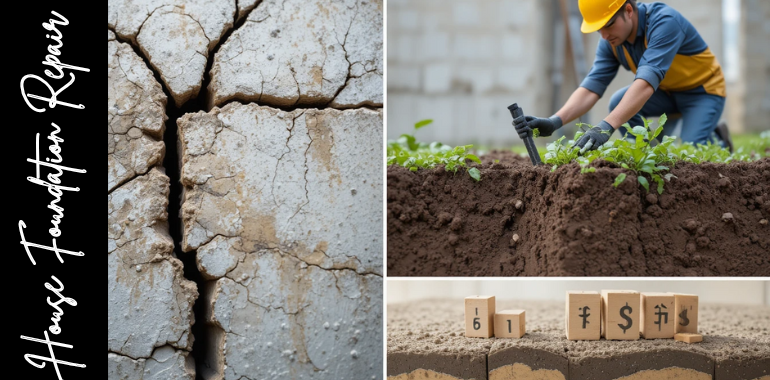
House Foundation Repair
The foundation of your home is its most critical component, providing stability and support. Over time, various factors can lead to foundation issues, including soil shifts, water damage, and structural stress. Understanding the signs of foundation problems, repair techniques, associated costs, and preventative measures can help homeowners maintain the integrity of their properties.
Our home’s foundation is its structural heartbeat, supporting everything above it. Yet, many homeowners overlook early warning signs of foundation problems until visible cracks or uneven floors appear. Understanding house foundation repair can help you prevent structural damage, protect your investment, and ensure long-term stability. This comprehensive guide will delve into the essentials of house foundation repair, covering everything you need to know.
| Category | Key Issues / Signs | Repair Method | Average Cost (USD) | Durability |
| Cracks | Vertical, diagonal, or stair-step cracks | Epoxy / Polyurethane sealing | $250–$800 | 5–10 yrs |
| Settling / Sinking | Uneven floors, gaps, and doors sticking | Piering (steel/helical piers) | $5,000–$25,000 | 20+ yrs |
| Slab Leveling | Sunken slabs, uneven patios | Mudjacking / Foam lifting | $600–$1,200 per area | 5–10 yrs |
| Bowing Walls | Inward-leaning basement walls | Wall anchors / Carbon fiber straps | $3,000–$8,000 | 15–20 yrs |
| Water Intrusion | Damp basement, mold, leaks | Interior/Exterior waterproofing | $2,000–$7,000 | 10–20 yrs |
| Drainage Problems | Pooling water near the foundation | French drains / Gutter extensions | $500–$3,500 | Long-term |
| Soil Movement | Shifting or expansive clay | Soil stabilization / Grading | $1,000–$5,000 | Long-term |
Understanding Foundation Cracks


Types of Foundation Cracks
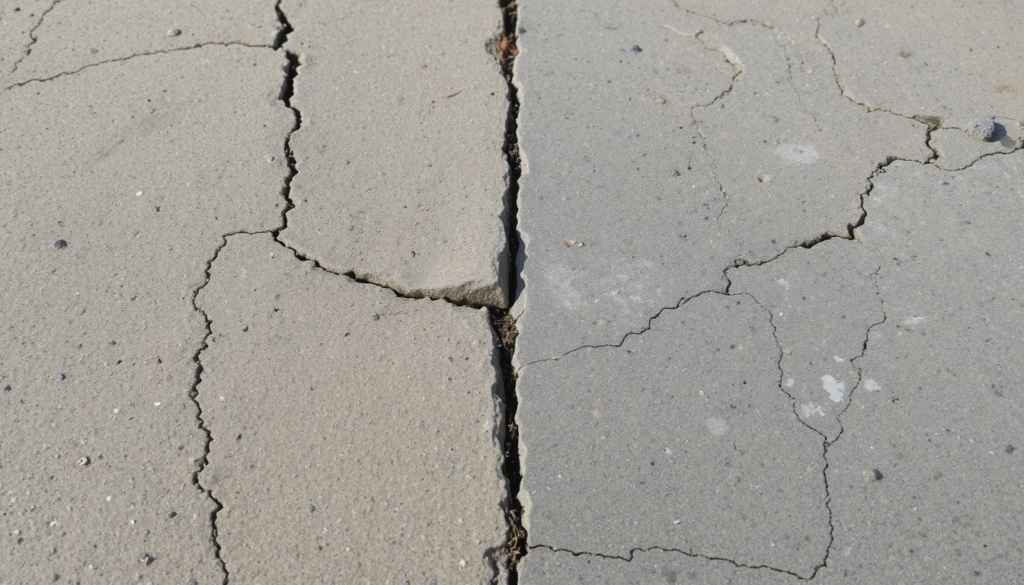
Cracks in a foundation are often the first sign of trouble. They can vary in size and severity, and understanding the type of crack is crucial for determining the appropriate repair method.
- Vertical Cracks: These are typically caused by settling and are usually not a significant concern. They can occur as the foundation cures and settles over time.
- Horizontal Cracks: These are more serious and often indicate pressure from soil or water outside the foundation. They may signal structural damage and require immediate attention.
- Diagonal Cracks: These cracks often appear at angles and can indicate uneven foundation settlement. Their severity depends on the size and length.
- Shrinkage Cracks: Common in newly poured concrete, these cracks are usually superficial and do not indicate structural problems.
Signs of Foundation Problems

In addition to visible cracks, several signs may indicate foundation issues:
- Uneven Floors: If you notice that your floors are sloping or bumpy, it may indicate foundation movement.
- Doors and Windows: Difficulty opening or closing doors and windows can suggest shifting in the foundation.
- Bowing Walls: Walls that appear to bow or bulge inward are a serious sign of foundation distress.
- Gaps: Cracks or gaps in walls, especially around windows and doors, can indicate foundation movement.
Causes of Foundation Damage
Understanding the causes of foundation damage can help homeowners take preventive measures:
1. Soil Shifts
The type of soil beneath your foundation plays a significant role in its stability. Clay soil, for instance, can expand when wet and shrink when dry, leading to shifting and settling. Sandy soil, while generally stable, can erode when exposed to excessive water.
2. Water Damage
Excess water from heavy rainfall, poor drainage, or plumbing leaks can saturate the soil around the foundation. This can lead to soil expansion, erosion, and ultimately, foundation movement.
3. Tree Roots
Large tree roots can exert pressure on foundations, leading to cracks and other structural issues. It’s vital to maintain a safe distance between large trees and your home.
4. Poor Construction Practices
Foundations that are not built to code or that use improper materials may be more susceptible to damage. Ensuring that a foundation is constructed correctly is crucial for its long-term stability.
Repair Techniques for Foundation Issues

When foundation problems arise, various repair techniques can be employed, depending on the severity of the damage:
1. Epoxy Injection
This method is ideal for repairing small cracks in the foundation. Epoxy resin is injected into the crack to bond the concrete and restore its strength. This technique is cost-effective and can often be done without significant disruption.
2. Crack Filling
For minor cracks, a simple filling can be effective. A sealant or polyurethane foam may be used to fill the cracks, preventing water infiltration.
3. Underpinning
Underpinning involves extending the foundation deeper into stable soil. This technique is used for more severe cases where the existing foundation is no longer stable. It often requires excavation and should be performed by professionals.
4. Slabjacking
This technique is used to lift sunken concrete slabs back to their original position. A mixture of polyurethane foam or mortar is injected beneath the slab, raising it to the desired level.
5. Wall Anchors
For bowing walls, wall anchors can be installed to stabilize and reinforce the foundation. These anchors are drilled into the foundation wall and anchored to the soil outside, providing stability.
6. Waterproofing
Waterproofing is essential for preventing moisture-related issues and protecting the foundation. Techniques may include applying a waterproof membrane, installing drainage systems, or using sealants.
Cost Estimates for Foundation Repair
The cost of foundation repair can vary widely based on several factors, including the type of repair needed, the severity of the damage, and geographic location. Below is a general cost estimate for various foundation repair techniques:
| Repair Technique | Cost Range | Description |
| Epoxy Injection | $300 – $1,000 | For small cracks, it restores structural integrity. |
| Crack Filling | $150 – $500 | Simple filling for minor cracks. |
| Underpinning | $1,000 – $3,000 | Extending foundation to stable soil; more severe cases. |
| Slabjacking | $500 – $1,500 | Lifting sunken slabs back to their original position. |
| Wall Anchors | $400 – $1,200 | Stabilizing bowing walls with anchors. |
| Waterproofing | $1,500 – $5,000 | Preventing moisture damage includes drainage systems. |
Installation Process for Foundation Repair

- Initial Inspection: A professional foundation contractor will conduct a thorough inspection to assess the extent of the damage. This may involve measuring cracks, checking for moisture, and evaluating soil conditions.
- Design of Repair Plan: Based on the inspection, the contractor will design a repair plan tailored to your specific issues. This plan will outline the techniques to be used and the estimated costs.
- Preparation for Repair: Before any work begins, the area around the foundation may need to be excavated. This is especially true for underpinning and wall anchor installations.
- Execution of Repairs: The selected repair techniques will be carried out in accordance with the plan. This may involve injecting epoxy, installing anchors, or waterproofing the foundation.
- Final Inspection: After repairs are completed, a final inspection may be conducted to ensure the work was done correctly and that the foundation is stable.
Long-Term Protection and Maintenance
1. Regular Inspections
Regular inspections can help identify potential issues before they become significant problems. Homeowners should check for new cracks or signs of movement periodically.
2. Proper Drainage
Ensuring proper drainage around the foundation is crucial. Install gutters, downspouts, and drainage systems to divert water away from the foundation.
3. Landscaping Considerations
Avoid planting large trees or heavy shrubs near the foundation to prevent root damage. Instead, consider using mulch or other landscaping elements that do not promote soil erosion.
4. Moisture Control
Maintain a consistent moisture level in the soil around the foundation. This can help prevent soil shrinkage and expansion, reducing the risk of foundation movement.
5. Addressing Water Issues
Promptly address any plumbing leaks or water intrusion issues. This can prevent soil saturation and protect the foundation from water damage.
Conclusion
House foundation repair is a crucial aspect of home maintenance that can prevent severe structural issues and protect your investment. Understanding the types of cracks, causes of damage, repair techniques, and associated costs can empower homeowners to make informed decisions regarding their foundation.
Regular maintenance, proper drainage, and timely repairs are essential for ensuring the long-term stability of your home. By taking proactive steps, you can safeguard your foundation and maintain your property’s overall health for years to come.
Want to know about 7 Key Maintenance Tasks to Complete Before Renting Out Your Property Check out our Home Improvement category.
FAQs
Common signs include cracks in walls or floors, doors and windows that stick, uneven floors, and gaps around window frames.
Common causes include soil shifts, poor drainage, excessive moisture, tree roots, and inadequate construction practices.
Costs can vary widely, ranging from $150 for minor crack filling to $5,000 for extensive underpinning or waterproofing.
Minor cracks can sometimes be filled with DIY products; however, significant issues should be addressed by professionals to ensure safety and effectiveness.
For those seeking adventure beyond house foundation repair, consider exploring the ideal destination for camping in India – Rishikesh. Learn More