

One of the major challenges faced by correctional facilities today is the illegal use of communication devices by inmates. With rapid advancements in technology, preventing unauthorized communication has become increasingly difficult. To tackle this issue, many governments are turning to solutions like Cell Phone Blockers or Mobile Phone Blockers. These devices are effective tools not only for the general public but also crucial within correctional facilities, as they block unauthorized messages from being transmitted between the inside and outside of the facility. In this article, we will explore the advantages, challenges, and considerations of using these blockers in correctional environments.
Advantages
Firstly, the deployment of Cell Phone Blockers has significantly empowered governments and law enforcement agencies to enhance security within correctional institutions. By effectively blocking unauthorized mobile signals, these devices help prevent inmates from orchestrating criminal activities outside the facility. This has led to a measurable reduction in crime linked to prison-based communication networks.
Secondly, these blockers contribute to the safety of both inmates and correctional staff by eliminating unauthorized communications that could incite violence or facilitate illegal operations. As technology continues to evolve, the need for updated and more sophisticated blocking solutions becomes increasingly imperative for maintaining facility security.

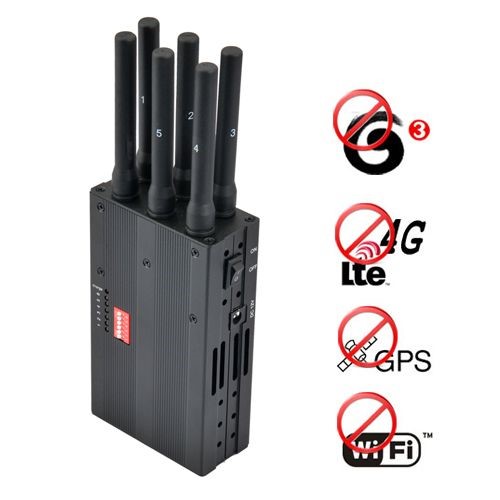
Despite these benefits, there are notable challenges associated with Cell Phone Blockers. Since communication technology evolves rapidly, existing blocking setups can quickly become obsolete, requiring continuous updates and investment to remain effective.
Human Rights Considerations
There has also been significant pressure from advocacy groups and the public regarding the use of Cell Phone Blockers. Critics argue that these devices may infringe upon inmates’ rights to communication and freedom of speech. This ongoing debate revolves around balancing security needs with respecting human rights, leading to calls for transparency and regulated use of such technology within correctional facilities.
Financial constraints also pose a challenge. Many correctional systems struggle to allocate sufficient funding for the continual upgrading of blocking technologies to keep pace with new mobile communication methods.
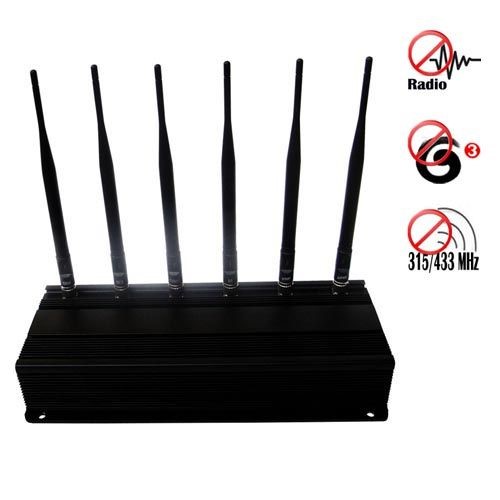
Moreover, implementing Mobile Phone Blockers requires careful coordination with local authorities to obtain necessary permissions. It is crucial that these devices operate without disrupting regular communication networks used by the general public. Ensuring that blocking frequencies are well-regulated and do not interfere with lawful communications is a complex but essential aspect of deploying this technology.
Therefore, extreme caution is advised when installing Cell Phone Blockers in correctional centers. Collaborating with specialized providers like Jammer Store can simplify the process. You can click here to explore more about the latest blocking solutions and their compliance with legal regulations.
If you are interested in learning more about Sizing and Loading please visit our Technology category for additional resources and information.
Frequently Asked Questions (FAQs)
A Cell Phone Blocker is a device designed to disrupt cellular signals within a specific area. In correctional facilities, it prevents unauthorized communication by blocking mobile phone signals, thereby stopping inmates from making illicit calls or sending messages outside the facility.
Yes, the use of Cell Phone Blockers is regulated by law in many countries. Installation often requires permission from local or federal authorities to ensure that blocking devices do not interfere with legitimate communications in the surrounding areas.
Properly configured Cell Phone Blockers target specific frequencies and geographic areas to minimize interference with non-targeted communication devices. However, poor installation can result in unintended disruptions, underscoring the importance of professional deployment.
Correctional facilities need to regularly upgrade their blocking technologies and work with technology providers who specialize in adaptive solutions that respond to evolving communication methods, including 5G and other future advancements.
Alternatives include signal detection systems that monitor illicit mobile activity, stricter physical searches, inmate education programs, and improved communication channels within the facility to reduce the need for unauthorized phones.