


YouTube has become the world’s second-largest search engine, hosting creators from every corner of the globe. Yet despite its massive reach, language barriers continue to limit content accessibility. Research shows that over 60% of non-English speakers are significantly less likely to engage with videos lacking translations in their native language. This disconnect represents a massive, missed opportunity for creators aiming to expand their influence beyond linguistic boundaries. AI-powered video translation tools are transforming this landscape, enabling creators to break through language walls without hiring expensive translation teams or learning new languages themselves. These intelligent systems automatically generate accurate subtitles, captions, and even dubbed audio tracks in multiple languages within minutes. The benefits extend far beyond simple accessibility—translated content drives measurable audience growth, boosts viewer retention, and opens new monetization streams through international markets. This guide explores practical solutions for implementing AI translation technology, from selecting the right tools to optimizing translated content for maximum engagement across diverse global audiences.
Why YouTube Translation Matters for Content Creators
YouTube’s 2.5 billion monthly users speak hundreds of languages, yet most content remains locked in its original tongue. Statistics reveal that videos with multilingual subtitles receive 40% more views on average, with watching time increasing by 25% among non-native speakers. For creators targeting global markets, translation directly addresses a fundamental need: making content accessible to audiences who would otherwise scroll past. A Spanish-speaking viewer in Mexico is far more likely to watch a tutorial with Spanish captions than struggle through English-only content, regardless of video quality. Beyond accessibility, multilingual content unlocks significant monetization opportunities. International viewers contribute to ad revenue, channel memberships, and merchandise sales across untapped markets. From an SEO perspective, translated titles, descriptions, and captions help videos rank in local search results across different regions, multiplying discoverability. Consider the case of a tech review channel that added Japanese and Portuguese translations to their top 50 videos. Within three months, they saw a 180% increase in subscribers from Japan and Brazil, with international traffic accounting for 35% of total revenue—up from just 8% previously. Translation transforms content from regional to genuinely global.
AI Video Translation Tools Explained
Core Technologies Behind YouTube Video Translators
Modern AI translation tools rely on sophisticated speech-to-text engines that convert spoken audio into written transcripts with 95%+ accuracy across major languages. These systems use acoustic models trained on millions of hours of speech data to recognize diverse accents, speaking speeds, and audio quality levels. Neural Machine Translation systems then process these transcripts through deep learning networks that understand context rather than simply swapping words—crucial for maintaining meaning across language pairs. Advanced synchronization algorithms automatically align translated text with video timestamps, ensuring subtitles appear precisely when corresponding speech occurs. Most professional tools integrate directly with YouTube Studio through API connections, allowing creators to upload translations without manual file transfers or format conversions.

Key Features Comparison
Leading platforms typically support 50-100+ target languages, though quality varies significantly outside the top 20 most-spoken languages. Accuracy benchmarks show professional tools achieving 85-92% translation correctness for common language pairs like English-Spanish, dropping to 70-80% for less-common combinations. Processing speed ranges from real-time for short clips to 30 minutes for hour-long videos, depending on computational resources. Interactive editing interfaces let creators refine automated transcripts directly within browser-based dashboards, correcting terminology errors or adjusting phrasing without external software. Cost structures divide between freemium models offering limited monthly minutes and premium subscriptions starting around reasonable monthly rates for unlimited processing, with per-minute pricing available for occasional users.
Step-by-Step Guide: Translating Videos with AI
Preparation Phase
Before uploading content to any AI translator, verify your video’s source language settings in YouTube Studio to ensure the system correctly identifies the original audio. Export your video in MP4 format with AAC audio encoding, as this combination offers the best compatibility across translation platforms while maintaining quality. If you’ve scripted your content, prepare a reference document containing specialized terms, brand names, or technical vocabulary specific to your niche—this glossary helps guide AI systems toward accurate translations of industry-specific language. For channels covering medical topics, financial advice, or technical tutorials, these reference materials can improve translation accuracy by 15-20%. Clean audio significantly impacts transcription quality, so consider running your video through noise reduction software if the original recording contains background hum, echo, or inconsistent volume levels.
Using AI Video Translator Tools
Most platforms follow a similar workflow: create an account, navigate to the upload interface, and drag your video file into the designated area. During upload, you’ll typically see options to confirm the source language—select this carefully, as misidentification leads to garbled transcripts. Once processing begins, choose your target languages from the available menu. Strategic creators prioritize languages based on analytics data showing where their existing international traffic originates, then expand to high-population language markets like Spanish, Hindi, Portuguese, and Arabic. The automated processing phase usually takes 5-15 minutes per language for a 10-minute video, during which the system generates initial transcripts. When processing completes, review the automated output line-by-line within the platform’s editing interface. Pay special attention to proper nouns, technical terms, and idiomatic expressions—these frequently require manual correction. Most tools highlight low-confidence translations in yellow or orange, directing your attention to segments needing review. Make corrections directly in the text fields and use the timestamp preview feature to verify that subtitle breaks occur at natural speech pauses rather than mid-sentence.
Post-Translation Optimization
After finalizing transcript corrections, adjust subtitle display duration to ensure viewers have adequate reading time—a general rule suggests 1.5 seconds minimum per subtitle line, with longer durations for complex sentences. Review cultural context carefully: humor, metaphors, and cultural references that work in English may confuse international audiences or require localization. For example, “hitting a home run” might translate literally but lose meaning for viewers unfamiliar with baseball; consider substituting culturally neutral phrases like “achieving great success.” Enable interactive transcripts in YouTube Studio by uploading your finalized subtitle files through the “Subtitles” section of each video’s settings. These searchable transcripts allow viewers to click any line and jump directly to that moment in the video, dramatically improving user experience. Complete the localization process by translating video titles, descriptions, and tags for each target language. Navigate to YouTube Studio’s translation tab, select your target language, and enter localized metadata that maintains SEO value while sounding natural to native speakers. This final step ensures your translated content appears in local search results and recommendations, maximizing discoverability across international markets.
Advanced Applications: From Summarization to Engagement
AI Video Summarizer Integration
AI video summarizers extract key points from translated content and generate concise overviews in multiple languages simultaneously. These tools analyze complete transcripts to identify main topics, critical timestamps, and actionable takeaways, then produce paragraph summaries or bullet-point breakdowns that viewers can scan in seconds. Creators implement these summaries directly in video descriptions, pinned comments, or companion blog posts, giving international audiences quick previews before committing to full viewing. A fitness channel using summarization technology reported 32% higher click-through rates on Spanish and French translations after adding auto-generated summaries to their descriptions. The technology proves particularly valuable for long-form content like webinars, tutorials, and documentary-style videos where viewers appreciate knowing whether the full runtime justifies their investment. Analytics consistently show that videos with multilingual summaries maintain viewer retention rates 18% higher than translated videos without summaries, as audiences can quickly confirm the content matches their interests regardless of language proficiency.
Interactive Transcripts for Accessibility
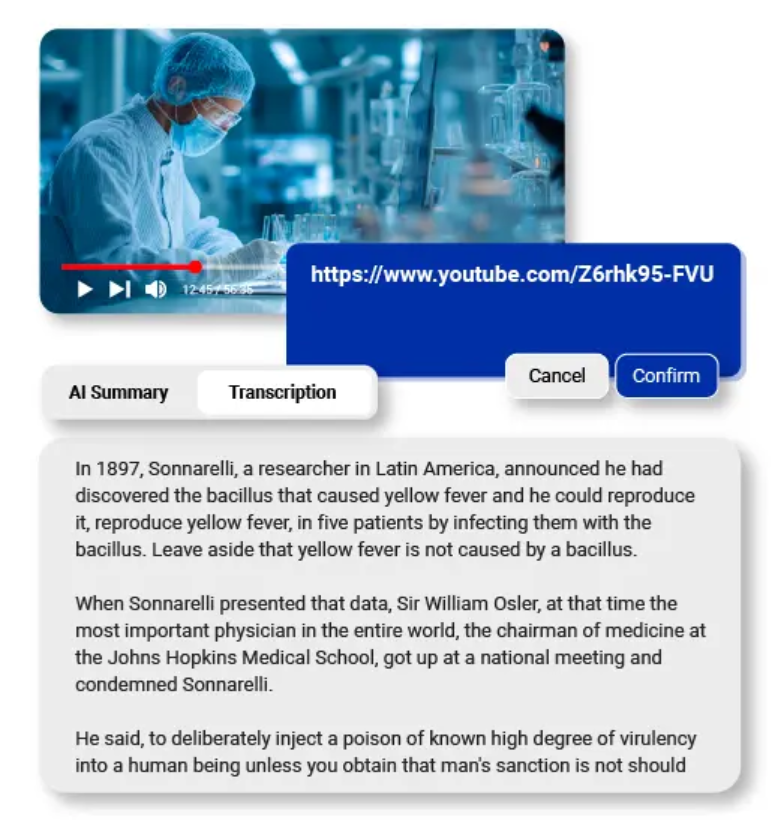
Interactive transcripts transform static subtitles into navigable, searchable documents that enhance both accessibility and SEO performance. When properly implemented through YouTube Studio, these transcripts become clickable text synchronized with video playback—viewers can search for specific terms, jump to relevant sections instantly, and follow along with written text while watching. Search engines index this transcript text, dramatically improving discoverability for long-tail keywords and niche topics across all translated languages. Platforms like Owll AI specialize in generating these interactive transcripts with high accuracy, making it easier for creators to implement searchable, time-stamped text across multiple languages. A cooking channel observed their German-translated videos ranking for 340% more search terms after enabling interactive transcripts compared to subtitle-only versions. The accessibility benefits extend to deaf and hard-of-hearing viewers, those watching in sound-sensitive environments, and language learners using videos to improve comprehension. Combining translation outputs with interactive transcript functionality creates a compound effect: international viewers gain both language accessibility and enhanced navigation tools, while creators benefit from multiplied SEO value across every target language market. Implementation requires simply uploading finalized subtitle files through YouTube’s interface and enabling the transcript display option in video settings.
Overcoming Common Translation Challenges
Slang and idiomatic expressions pose persistent challenges for AI systems trained primarily on formal language patterns. When encountering phrases like “piece of cake” or “hit the nail on the head,” automated translators often produce literal renderings that confuse international viewers. Combat this by reviewing translated transcripts specifically for colloquialisms, then substituting with culturally neutral alternatives or adding brief explanatory phrases in brackets. Technical terminology requires custom glossaries uploaded during the translation setup phase—medical channels should provide lists of anatomical terms, while tech reviewers benefit from standardized translations of product names and specifications. For creators pursuing dubbed audio rather than subtitles, lip-sync misalignment remains a technical hurdle, though newer AI voice cloning tools now analyze mouth movements and adjust translated speech timing to match visible articulation patterns. Establish quality assurance workflows by having native speakers review critical videos before publication, or use community feedback from early international viewers to identify recurring translation errors. Evergreen content demands periodic translation updates as language evolves and AI systems improve—schedule quarterly reviews of your top-performing translated videos to refresh outdated phrasing and incorporate viewer-suggested corrections from comments.
Expanding Your Global Reach Through AI Translation
AI-powered translation tools have fundamentally transformed how creators connect with global audiences, turning language barriers into bridges for exponential growth. Channels implementing multilingual strategies consistently report doubled international viewership within months, alongside significant revenue increases from previously untapped markets. The technology continues evolving rapidly upcoming developments in real-time voice cloning and context-aware localization promise even more seamless cross-cultural content experiences. For creators ready to expand beyond their linguistic borders, the path forward is straightforward: start with your top-performing videos, prioritize languages where analytics show existing international interest, and refine translations based on viewer feedback. Begin experimenting with available AI translation platforms today, even if you only translate a single video initially. The competitive advantage belongs to early adopters who establish multilingual presence before their niche becomes saturated. Your content deserves an audience as global as YouTube itself—AI translation makes that vision achievable without prohibitive costs or technical expertise. Take the first step now and watch your channel’s reach extend across continents and cultures.
Research shows that over 60% of non-English speakers are significantly less likely to engage with videos lacking translations in their native language. This disconnect represents a massive, missed opportunity for creators aiming to expand their influence beyond linguistic boundaries.
Research shows that over 60% of non-English speakers are significantly less likely to engage with videos lacking translations in their native language. This disconnect represents a massive, missed opportunity for creators aiming to expand their influence beyond linguistic boundaries.
Research shows that over 60% of non-English speakers are significantly less likely to engage with videos lacking translations in their native language. This disconnect represents a massive, missed opportunity for creators aiming to expand their influence beyond linguistic boundaries.
Research shows that over 60% of non-English speakers are significantly less likely to engage with videos lacking translations in their native language. This disconnect represents a massive, missed opportunity for creators aiming to expand their influence beyond linguistic boundaries.