



In today’s digital world, businesses, industries, and individuals heavily rely on data to make informed decisions. Whether researching a product before a purchase or gathering details about a travel destination, collecting accurate information is crucial. Likewise, governments, public institutions, and politicians conduct extensive data collection to support policy-making and public services. But how is open data reshaping the way we access, collect, and utilize information?
In this comprehensive guide, we explore traditional data collection methods and reveal how open data is transforming the landscape. We also examine how API access—particularly via SERP APIs—streamlines data acquisition for better efficiency and accuracy.

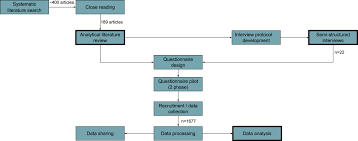
Common Ways to Collect Data
Businesses and organizations commonly use various techniques to gather data from the web. Here we highlight two of the most popular data collection methods:
Web Scraping
Web scraping involves using automated software tools to extract data from multiple websites based on specific parameters. The scraped data is then consolidated into usable formats, such as spreadsheets or databases, facilitating data analysis. However, despite its utility, web scraping often resides in a legal gray area. Website owners may block scrapers or issue cease-and-desist notices, limiting access to their data.
Tracking
Tracking techniques collect user behavior data through cookies, device fingerprinting, IP addresses, and more. This information helps businesses better understand their audience and tailor marketing strategies. Nevertheless, increased privacy awareness has led users to block cookies, use VPNs or proxies, and employ other measures to protect their data, making tracking less reliable.
A Better Way on the Horizon
With rising privacy regulations—such as the European Union’s General Data Protection Regulation (GDPR)—and growing user demand for data privacy, traditional data collection faces increasing hurdles. Fortunately, open data offers a promising alternative that respects privacy while providing valuable information.
What Is Open Data?
Open data refers to information that is freely accessible, reusable, and shareable by anyone without restrictions. Many governments, municipalities, and organizations worldwide—especially within the EU—have adopted open data policies. They often provide public API endpoints to facilitate easy and legal access to datasets.
Users can combine open data access with web scraping techniques effectively by leveraging SERP API tools. These APIs retrieve public data rapidly and efficiently from authorized sources, eliminating the risk of bans or blocks from websites. This approach improves both the speed and compliance of data collection.
Open data drives public good by enhancing transparency, reducing corruption, ensuring government accountability, increasing citizen engagement, and fostering innovation across sectors.
Uses of Open Data
Open data is already making a substantial impact across communities and industries worldwide. Here are some notable examples:
- Community Engagement: OpenStreetMap (OSM)” target=”_blank” rel=”noopener noreferrer”>OpenStreetMap (OSM) is a global volunteer-driven platform providing comprehensive open mapping data. Their MissingMaps project focuses on mapping disaster-prone regions to improve relief efforts.
- Driving Innovation: New York City maintains an extensive NYC Open Data” target=”_blank” rel=”noopener noreferrer”>open data portal compiling research and statistics from various city agencies. This data includes zoning, building information, public health stats, and more, empowering developers and researchers.
- Consumer Empowerment: In South Africa, the open Medicine Price Database enables consumers to compare medication costs, fostering competition and affordability. An accompanying app, MPRApp, helps users find cheaper generic alternatives by analyzing drug composition and pricing.
Final Thoughts
Open data is revolutionizing how individuals, governments, and businesses access and use valuable information. Its transparency and accessibility support community development, innovation, and accountability. With ongoing expansion of open data initiatives worldwide, the opportunities for leveraging public information are poised to grow exponentially.
If you’re interested to learn more about “How to Translate YouTube Videos Using AI Tools” be sure to visit our dedicated Technology category for in-depth insights and updates.
Frequently Asked Questions (FAQs)
Open data is publicly accessible information that anyone can use, modify, and share without restrictions. It promotes transparency, innovation, and better decision-making in various sectors.
Open data is provided legally by organizations through public repositories or APIs, ensuring compliance and reliability. Web scraping involves extracting data directly from websites, which may raise legal and ethical concerns.
A SERP (Search Engine Results Page) API allows users to programmatically retrieve search engine data, enhancing the speed and efficiency of collecting relevant public information without violating website terms.
Open data excludes personal and sensitive information to comply with privacy laws. It focuses on aggregated or anonymized datasets ensuring user privacy is protected.
Businesses can leverage open data for market research, competitive analysis, product development, and improving customer understanding without infringing on privacy or facing blocking issues.
Learn how digital transformation can benefit small businesses in collecting and utilizing data, as discussed in this article: What Are the Benefits of Digital Transformation for Small Businesses
Learn how digital transformation can benefit small businesses in collecting and utilizing data more effectively. Read More