


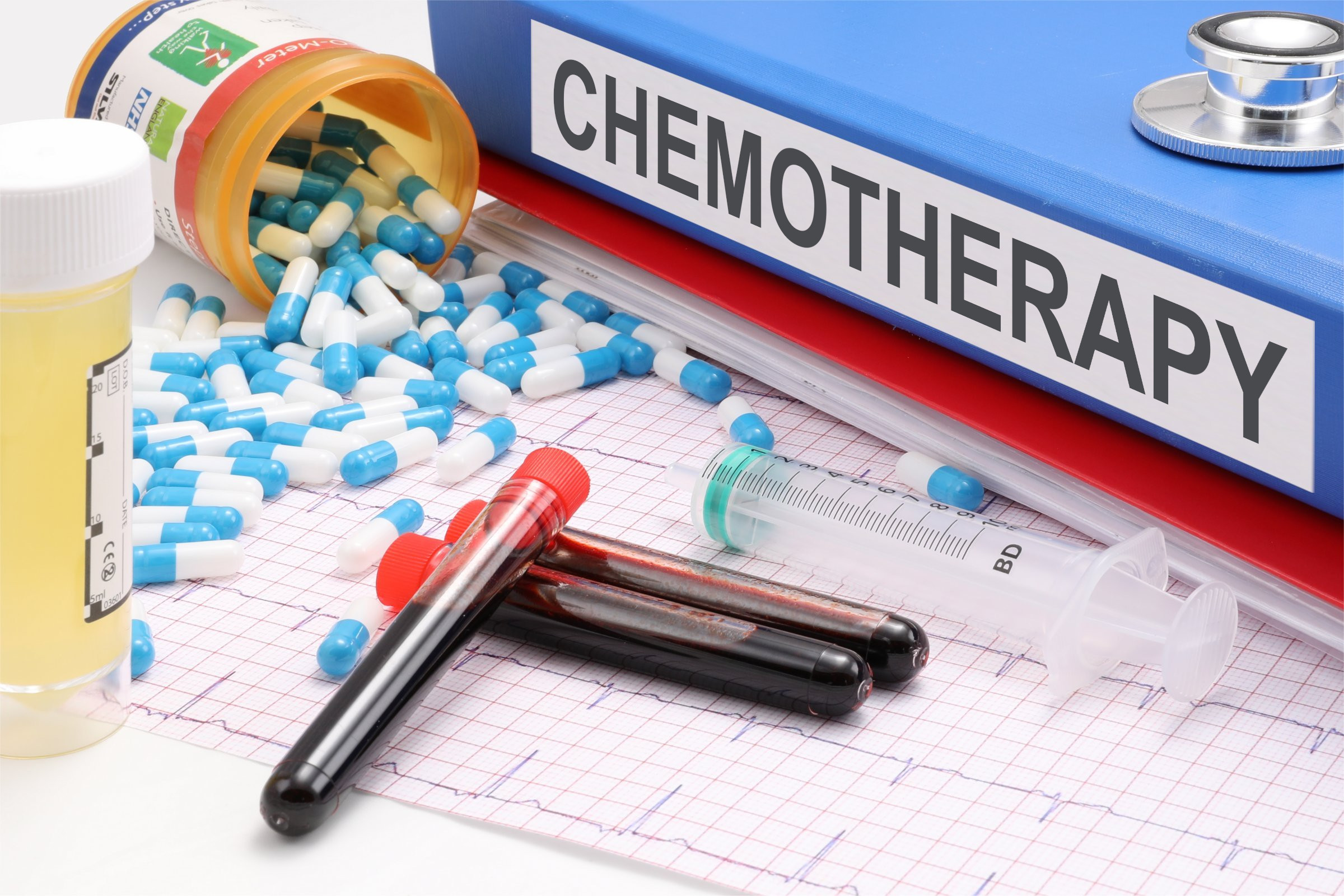
Introduction to Chemotherapy:
Chemotherapy remains one of the primary treatments for cancer, utilizing powerful chemicals to target and destroy cancer cells. While it offers hope and healing, chemotherapy can also be one of the most physically and emotionally demanding treatments patients face on their path to recovery.
This treatment involves a series of therapeutic sessions with drugs designed to stop the growth and spread of cancer cells, giving the body a chance to heal.
Common Chemotherapy Side Effects
Chemotherapy often leads to a range of side effects that vary from person to person. However, some side effects are common among many patients undergoing treatment:
- Hair loss (alopecia)
- Changes in appetite, including loss or increased hunger
- Nausea and vomiting
- Easy bruising or bleeding due to lowered platelet counts
- Persistent fatigue and weakness
- Anemia, leading to reduced oxygen-carrying capacity
Effective Coping Strategies During Chemotherapy
Although chemotherapy side effects can be challenging, there are several strategies to help cope and enhance your treatment experience.
1. Prioritize Self-Compassion and Rest
One of the most important aspects of managing chemotherapy is practicing kindness toward yourself. The treatment can be exhausting, both physically and emotionally. Give yourself permission to rest, avoid unnecessary commitments, and say “no” when you feel overwhelmed. Prioritizing rest enables your body to heal and strengthens your resilience.
2. Build a Strong Support Network
Having a dependable support system is vital during treatment. This could include close friends, family, cancer support groups, or professional counselors. Sharing your experiences and feelings can provide emotional relief and practical advice. If group settings are uncomfortable, consider individual therapy with a licensed professional to guide you through your journey.
3. Minimize Risk of Infection
Chemotherapy can lower white blood cell counts, increasing susceptibility to infections. To protect yourself, practice good hygiene by washing hands frequently, avoid close contact with sick individuals, and follow your healthcare provider’s advice about exposure to crowded places. If you develop a fever over 101°F (38.3°C), contact your medical team immediately, as this may signal a serious infection.
4. Maintain Nutrition and Hydration
Eating nutrient-dense foods and staying well-hydrated support your body’s ability to withstand chemotherapy. Focus on balanced meals rich in vitamins, minerals, and protein to help repair tissues and maintain strength. To conserve energy, consider preparing meals in bulk and freezing portions for convenient, healthy options during treatment days.
5. Explore Natural Supplements and Complementary Therapies
In addition to prescribed treatments, some patients find relief through natural supplements and complementary therapies. Medical cannabis, for example, is increasingly recognized for its potential to alleviate chemotherapy-induced nausea, pain, and appetite loss. Always consult your oncologist before starting any supplements to ensure safety and avoid drug interactions.
6. Engage in Enjoyable Activities and Hobbies
Maintaining a sense of normalcy and joy can positively impact your mental health during chemotherapy. Revisit hobbies you love or explore new interests that bring fulfillment and distraction from treatment challenges. Creative activities, light exercise, or mindfulness practices can nurture your spirit and improve overall well-being.
Conclusion
Chemotherapy remains a critical, life-saving approach in cancer treatment but can be demanding physically and emotionally. Adopting coping strategies tailored to your needs can significantly improve your treatment experience and quality of life. Always consult with your healthcare team to find the best methods for managing side effects and enhancing recovery.
Learn more about supportive therapies and resources: Seven Amazing Benefits of Orthodontic Treatment
Frequently Asked Questions (FAQs)
Common side effects include hair loss, nausea, vomiting, fatigue, appetite changes, anemia, and increased risk of infection. Side effects vary depending on the drugs used and individual patient factors.
Your doctor may prescribe anti-nausea medications. Additionally, eating small, bland meals, staying hydrated, and avoiding strong odors can help reduce nausea.
Some natural supplements may help alleviate side effects, but it’s essential to discuss any supplements with your oncologist to avoid interactions with chemotherapy drugs.
If you experience a fever above 101°F (38.3°C), severe pain, uncontrolled vomiting, or signs of infection, contact your healthcare provider promptly.
Yes, but it’s important to listen to your body and rest when needed. Maintaining hobbies and social connections can support mental health, but avoid overexertion.