


One minute you’re cooking dinner, and the next, you’re standing with your hand under running water trying to soothe an accidental burn. Burns can happen unexpectedly, but knowing how to treat them promptly can prevent complications and promote faster healing.
Whether you’ve suffered a burn from heat, sun exposure, or electricity, it’s crucial to act quickly and carefully to avoid worsening the injury. If you’re unsure about the proper first aid”>first aid treatment for burns, continue reading to learn essential steps to protect your health and aid recovery.
Immediately After a Burn Injury
If your hair or clothing catches fire, remember to stop, drop, and roll immediately to extinguish the flames safely. This essential step can prevent severe injury.
After ensuring the fire is out, carefully remove any jewelry or clothing near the burn area—unless the material is stuck to the skin. Removing these items quickly is crucial, as burns tend to swell rapidly, making removal difficult and potentially harmful.
It’s also important to identify the degree of your burn to select the appropriate first aid steps:
- First-degree burns: Affect the outer skin layer, causing redness and pain.
- Second-degree burns: Affect deeper layers, creating blisters and more intense pain.
- Third-degree burns: Penetrate all skin layers and may damage underlying tissues, requiring immediate medical attention.
Cooling the Burn
For first- and second-degree burns, start by cooling the affected area to reduce pain and swelling. Apply a cool, damp compress or run the burn under cool (not cold) water for 10 to 15 minutes. Avoid ice or very cold water, as extreme cold can damage the tissue further.
Do not use butter, oils, or ointments on the burn at this stage, as they may trap heat and increase the risk of infection.
Covering the Burned Area
Once the burn is cooled, protect it by covering with a sterile, non-adhesive bandage or clean cloth to prevent infection. Avoid using cotton balls or any material that might shed fibers into the wound.
Keep the dressing loose to avoid putting pressure on the burn and to protect any blisters from bursting, which could expose the underlying skin to bacteria.
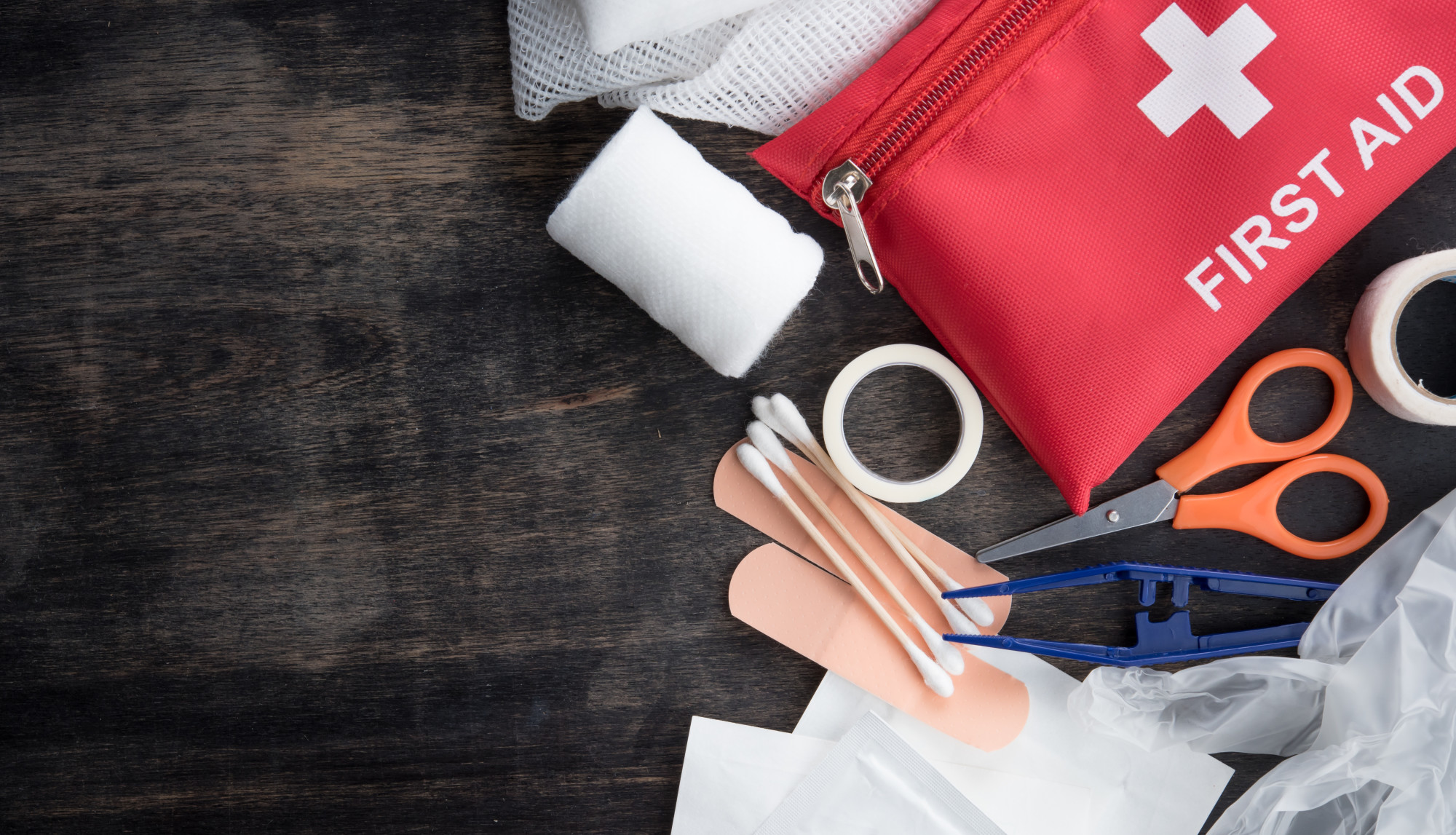
Having a well-stocked first aid kit from firstaidsuppliesonline.com”>trusted sources can be invaluable during emergencies to ensure you have appropriate sterile supplies.
When to Call 911 or Seek Emergency Medical Help
While many minor burns can be treated at home, some situations require immediate medical attention. Call 911 if the burn:
- Is a third-degree burn involving all skin layers.
- Covers a large area of the body, especially the face, hands, feet, groin, or major joints.
- Is caused by chemicals or electricity.
- Shows signs of infection such as increased pain, redness, swelling, or pus.
- Results in difficulty breathing or other systemic symptoms.
In these severe cases, do not delay emergency services; Calling emergency services”>professional medical intervention is critical to prevent complications and improve outcomes.
Your Comprehensive Guide to First Aid for Burns
Burns can be frightening and painful, but quick, calm, and proper first aid can make a significant difference. Understanding how to assess the burn and apply the correct care steps is as important as knowing CPR in emergency situations.
Always keep a well-equipped first aid kit on hand, stay informed, and seek professional help when necessary.
Frequently Asked Questions About Burns and First Aid
A: Burns that are third-degree, cover large areas or sensitive body parts, or involve chemical or electrical sources require immediate medical attention. If you notice worsening pain, swelling, or signs of infection, seek medical care promptly.
A: No. Applying substances like butter, toothpaste, or oils can trap heat and increase infection risk. Use cool water to cool the burn and cover it with sterile dressings instead.
A: Change the dressing daily or when it becomes wet or dirty. Always wash your hands before changing it to reduce infection risk.
A: Mild sunburns can be treated similarly by cooling the skin and hydrating, but severe sunburns with blisters or systemic symptoms require medical evaluation.
A: Practice kitchen safety by keeping flammable materials away from heat sources, avoid leaving cooking unattended, use protective gloves, and educate family members about burn risks.
if you want to know about How Diet and Nutrition then please visit our Health Category.