



Whether you’re temporarily relocating out of state or permanently moving across the country without having secured a permanent residence, storage solutions for your furniture can be invaluable. You might also be downsizing, undergoing major renovations, or simply looking to store seasonal items such as patio furniture. Additionally, valuable antiques that don’t currently suit your home’s décor or high-quality furnishings you wish to preserve for future generations also require proper care during storage.
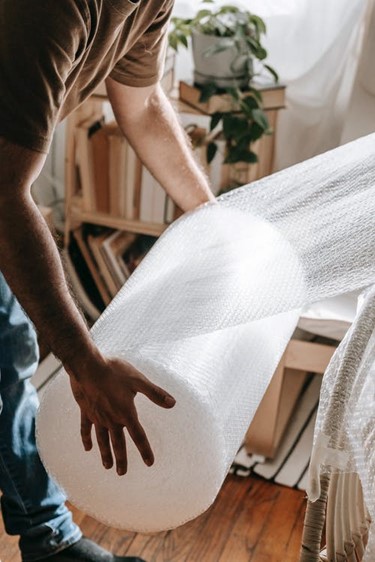
In all these scenarios and more, storing your furniture safely until it’s needed again is the best approach. The key is ensuring your prized possessions remain protected while in storage. The most effective way to safeguard your furniture is through proper wrapping. Never leave furniture exposed in a self-storage unit. Use old sheets, blankets, duvet covers, drop cloths, or breathable plastic wrap to shield your items from dust and moisture. Avoid heavy plastic covers that trap moisture, as condensation can cause wood to warp and expand. Instead, wrap furniture loosely to allow airflow while providing protection.
Using boxes is ideal for both security and organization. If an item fits into a box, we highly recommend packing it that way. Larger pieces can often be disassembled to fit into one or multiple boxes. Boxes provide a safer environment by limiting exposure to dust and dirt, especially when fully sealed and taped securely to reinforce their structure.
Evaluate Your Furniture Storage Options
Opting to store furniture can be an investment. Consider whether you plan to keep your furniture long-term or if selling and replacing items later is more viable. Storage costs vary by location, unit size, and amenities, but during relocations or life transitions, furniture storage often makes practical sense.
Protecting your furniture from weather elements is essential. Before selecting a storage facility, thoroughly explore your options. If your furniture will be in storage for an extended period, consider using a climate-controlled storage unit. Climate control safeguards valuable pieces—such as hardwood furniture, musical instruments, antiques, and upholstered sofas—from dampness and temperature fluctuations.
If climate-controlled storage isn’t feasible, take additional measures to keep your furnishings clean, dry, and well-protected to prevent damage.
Clean Every Piece Thoroughly Before Storage
Never place dirty furniture into storage to avoid odors spreading and to reduce mildew risk. Cleanliness also minimizes dust accumulation, contributing to a healthier storage environment.
Here are some tips for cleaning your furniture before storage:
– Use mild soap and water for wooden and plastic furniture. For wooden pieces, especially antiques, apply a specialized wood cleaner to protect the finish.
- For fabric items like couches or cushions, use upholstery cleaners and ensure thorough drying before packing.
- Polish metal components with a metal cleaner and polishing cloth to remove oxidation and prevent tarnishing.

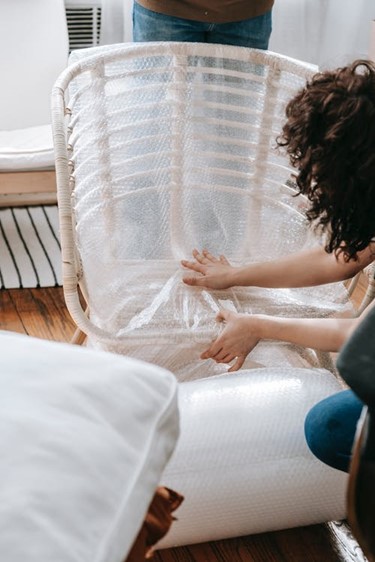
Dismantle Furniture When Possible
Before moving your furniture, disassemble items such as desks, bookshelves, tables, and chairs whenever possible. Dismantling simplifies packing and transportation, reducing the risk of damage or scratches during moves.
Keep all hardware—screws, bolts, Allen wrenches, and small parts—in labeled bags attached to their corresponding furniture piece for easy reassembly.
Elevate Furniture to Protect from Floor Moisture
Avoid placing furniture directly on floors, especially in storage units without climate control, to prevent moisture damage. Elevate pieces using pallets, cinder blocks, or even cardboard layers to provide a barrier against potential flooding and dampness.
Avoid Overcrowding Your Storage Space
Overpacking a storage unit is a common cause of furniture damage. Take the time to organize your space efficiently. Start by placing larger furniture pieces first, then fill remaining spaces with boxes and smaller items.
Ensure easy access to your unit’s back and sides at all times. Keeping your storage area clean and organized also prevents accidents such as items tipping over or components bending due to cramped conditions.
Properly stored furniture can last for decades, but improper storage—even for short periods—can expose items to humidity, temperature swings, and physical harm. Longer storage durations increase these risks, so careful preparation is critical to protect your valuable possessions.
Whether you’re moving temporarily or permanently, undergoing home renovations, or simply storing seasonal or valuable furniture, following these expert storage tips will help maintain the longevity and condition of your belongings. Wrap your furniture in breathable materials, use sturdy boxes whenever possible, consider climate-controlled storage for sensitive pieces, and keep your storage space clean and well-organized to minimize risk.
Read more: Classy decor for a modern living room
FAQs About Furniture Storage
A: With proper preparation and climate-controlled storage, furniture can be safely stored for years. Without these precautions, prolonged storage increases the risk of damage from humidity, pests, and temperature changes.
A: Use breathable materials such as cotton sheets, blankets, or specialized furniture covers. Avoid heavy plastic wraps that trap moisture, causing condensation and potential damage.
A: Climate control is particularly recommended for delicate items like hardwood, antiques, leather, and upholstered pieces. Less sensitive furniture can be stored without climate control if properly cleaned and protected.
A: Yes, but it’s crucial to ensure the unit is dry and clean, and to use protective coverings that allow airflow to prevent mold and mildew buildup.
A: Whenever possible, disassemble large furniture to save space and minimize damage risks during transport and storage.
A: Clean and thoroughly dry all items before storage, use breathable covers, avoid plastic wrap, elevate furniture off the floor, and opt for climate-controlled storage when possible.