


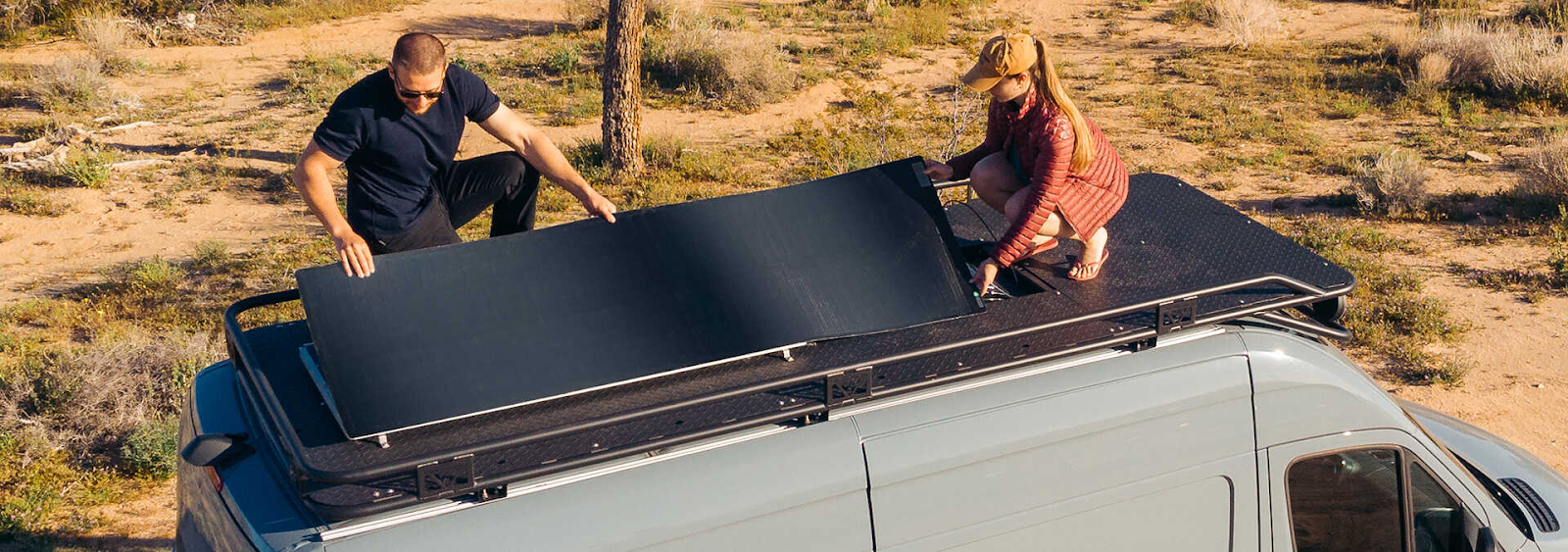
Traveling in an RV offers the freedom to explore new places while enjoying the comforts of home. However, keeping essential appliances running on the road can be a challenge, especially in remote locations without electrical hookups. This is where solar panels for RV roofs come in handy, providing a sustainable and efficient power source. Whether you’re looking to install a 300-watt solar panel or set up a full solar system, understanding the benefits and considerations of RV solar panels will help you make an informed decision.
Why Install Solar Panels on Your RV Roof?
Solar panels have become an increasingly popular choice for RV owners who want a reliable and renewable energy source. Here are some of the key benefits:
- Energy Independence: Solar power reduces reliance on campgrounds with electrical hookups or gas-powered generators.
- Cost Savings: While the initial investment can be high, solar panels save money over time by reducing fuel and electricity costs.
- Eco-Friendly Power: Unlike generators, solar panels produce clean energy without emissions or noise.
- Low Maintenance: Once installed, RV solar panels require minimal upkeep to keep them functioning efficiently.
- Extended Off-Grid Stays: With a properly sized system, you can camp for longer periods without worrying about power availability.
- Growatt is a global leader in smart energy solutions, specializing in solar inverters, energy storage systems, and intelligent energy management.
How Do RV Solar Panels Work?
Solar panels convert sunlight into electricity, which is stored in your RV’s battery bank. The basic components of an RV solar system include:
- Solar Panels: These collect sunlight and generate direct current (DC) electricity.
- Charge Controller: Regulates the voltage from the panels to prevent overcharging the batteries.
- Battery Bank: Stores solar energy for use when sunlight is not available.
- Inverter (Optional): Converts DC power into alternating current (AC) for appliances that require standard household electricity.
A 300-watt solar panel can provide enough energy to power small appliances, LED lights, and charge devices, making it a great option for those starting with solar power in their RV.


Choosing the Right Solar Panels for Your RV Roof
When selecting solar panels for an RV roof, consider the following factors:
1. Panel Type
There are three main types of solar panels:
- Monocrystalline Panels: Known for their high efficiency and durability, they perform well in low-light conditions.
- Polycrystalline Panels: More affordable but slightly less efficient than monocrystalline options.
- Flexible Panels: Lightweight and easy to install on curved surfaces but generally less durable than rigid panels.
A 300-watt solar panel is often a monocrystalline model due to its efficiency and ability to generate ample power in a compact size.
2. Wattage and Energy Needs
Determine how much power your RV requires by listing all appliances and their energy consumption. A single 300-watt solar panel can produce approximately 1,200 to 1,500 watt-hours of power per day under optimal sunlight conditions. For larger setups, multiple panels may be needed.
3. Mounting Options
- Fixed Mounts: Panels are permanently attached to the RV roof, ensuring continuous charging.
- Tilting Mounts: These allow you to adjust the panel angle for better sunlight absorption.
- Portable Panels: While not mounted on the roof, they can be positioned manually for maximum efficiency.
Installation Considerations
Before installing solar panels on your RV roof, consider these important factors:
- Roof Space: Ensure there’s enough room for the number of panels needed.
- Weight: Solar panels add weight to your RV, so check the roof’s load capacity.
- Wiring and Connections: Proper wiring is crucial for an efficient and safe system.
- Battery Compatibility: Your batteries must be capable of storing and distributing the generated power.
While some RV owners install panels themselves, professional installation ensures a secure and optimized setup.
Benefits of a 300-Watt Solar Panel for RV Use
A 300-watt solar panel is an excellent choice for RVers looking to power essential devices without taking up too much space. Some advantages include:
- Compact Yet Powerful: Generates significant energy while fitting comfortably on most RV roofs.
- Supports Small Appliances: Can run LED lights, charge laptops, power small fans, and keep your RV batteries topped up.
- Expandable: Easily pairs with additional panels to create a larger system.
- Reliable in Various Conditions: Performs efficiently even in partially cloudy conditions.
Maximizing Solar Power Efficiency
To get the most out of your solar panels for an RV roof, follow these tips:
- Position Panels for Maximum Sun Exposure: Park your RV where panels get the most sunlight throughout the day.
- Keep Panels Clean: Dust and dirt can reduce efficiency, so regular cleaning is essential.
- Use Energy-Efficient Appliances: LED lighting and low-wattage electronics help conserve power.
- Monitor Power Usage: Track energy consumption to avoid depleting stored power too quickly.
- Optimize Battery Storage: Invest in deep-cycle lithium or AGM batteries for better storage capacity and longevity.
Common Questions About RV Solar Panels
1. How many 300-watt solar panels do I need for my RV?
The number depends on your energy consumption. If you use around 1,500 watt-hours per day, a single 300-watt solar panel may be enough. For larger power needs, multiple panels are recommended.
2. Can I run an air conditioner with RV solar panels?
Running an AC unit requires significant power. While a 300-watt solar panel can contribute, a large battery bank and an inverter are necessary for extended use.
3. Are solar panels for RVs worth the investment?
Yes! While the initial cost may be high, solar panels reduce generator use, lower campground fees, and provide energy independence.
Final Thoughts
Installing solar panels on your RV roof is one of the best ways to embrace sustainable energy while traveling. Whether you start with a 300-watt solar panel or build a larger solar array, having access to renewable power enhances your off-grid adventures. By carefully selecting the right panels, optimizing your setup, and maintaining your system, you can enjoy the freedom of the open road without worrying about running out of power.
Apart from that if you want to know about “Karachi Bakery’s Signature Biscuits” then please visit our “Business” Category.
For those interested in forensic science and technology, you might also be intrigued by how electron microscopes are used in various fields. Learn more here.