


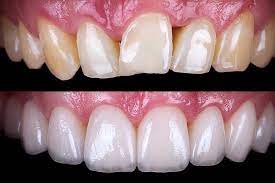
Dental veneers have become increasingly popular among patients seeking to achieve whiter, straighter teeth. These thin shells, typically made from high-quality ceramic or zirconium oxide, effectively mask various tooth imperfections such as cracks, stains, discoloration, and misalignment.
Applied to the front surfaces of teeth—including incisors, canines, and sometimes premolars—Hayatmed Medical Institute offers top-tier veneers in turkey services, delivering durable and aesthetically pleasing results. Generally, this procedure is safe and poses minimal health risks. But what are the potential risks of dental veneers?
Understanding the Differences Between Traditional Veneers and No-Prep Veneers
Dental veneers come in two primary types: traditional (classic) veneers and no-prep veneers. Each type differs in application technique, thickness, and potential benefits or drawbacks.
Classic Ceramic Veneers
Traditional ceramic veneers are thicker compared to no-prep alternatives. Because of their thickness, the placement requires enamel reduction on the patient’s teeth—typically through grinding—to accommodate the veneer without causing misalignment. This enamel preparation can sometimes pose risks, especially if too much enamel is removed and the underlying dentin is exposed.
While bonding veneers themselves is generally safe, improper tooth preparation can lead to discomfort and jaw alignment issues. Patients should consult experienced dental professionals to assess tooth thickness and veneer suitability before proceeding.
No-Prep Veneers: Minimally Invasive Alternative
To minimize tooth alteration, no-prep veneers are designed to be ultra-thin, allowing them to be bonded directly onto teeth with little to no enamel removal. In some cases, a mild acid etching is applied to enhance adhesion without damaging the teeth.
No-prep veneers offer several advantages: reduced installation time, elimination of the need for temporary veneers, and a lower risk of veneer detachment. They are an excellent option for patients seeking a less invasive approach to smile enhancement.
Properly Prepare for Your Aesthetic Transformation
Choosing dental veneers is a significant cosmetic decision that requires careful consideration. Enhancing your smile can boost confidence, but it’s essential to communicate your aesthetic goals clearly with your dentist. Opting for veneers that are too white or unnatural-looking may detract from your smile’s appeal.
Your dentist will guide you in selecting the most suitable shade and style of veneers that harmonize with your facial features and overall appearance for a natural look.
Risks Associated with Poor Veneer Maintenance
Proper oral hygiene is critical to preserving the beauty and longevity of your dental veneers. Neglecting dental care can lead to plaque buildup, gum disease, and cavity formation around the veneer edges, compromising both your oral health and veneer appearance.
We strongly recommend quitting smoking to prevent staining of veneers and promote overall oral health, benefiting your health as well. Additionally, reducing consumption of staining and acidic foods—such as sodas, coffee, and sugary treats—helps maintain the veneers’ shine and integrity.
Daily brushing, flossing, and regular dental check-ups—including professional cleanings and annual scaling—are key to ensuring your veneers remain attractive and your natural teeth stay healthy.
If you experience bruxism (teeth grinding), wearing a custom-fitted dental night guard is essential to protect your veneers from chipping or detachment while you sleep, thus prolonging their lifespan.
In summary, while dental veneers may occasionally chip or crack, such issues are rare when veneers are properly selected, installed, and maintained. Modern veneers are durable, with an average lifespan exceeding ten years when cared for correctly.
Frequently Asked Questions (FAQs) About Dental Veneers
With proper care and maintenance, dental veneers can last between 10 to 15 years or even longer. Regular dental visits and good oral hygiene contribute to their longevity.
Traditional veneers require enamel removal, making the process irreversible. No-prep veneers are less invasive but typically still considered a long-term cosmetic solution. Discuss options thoroughly with your dentist.
Veneers do not respond to traditional whitening treatments. It is important to select the desired shade during placement and avoid staining habits to maintain their color.
Placement of veneers is generally painless. For traditional veneers, local anesthesia may be used during enamel preparation to minimize discomfort.
Ideal candidates have healthy teeth and gums, minor tooth discoloration, chips, or misalignment. Your dentist will evaluate your oral health to determine if veneers are appropriate for you.