



Introduction
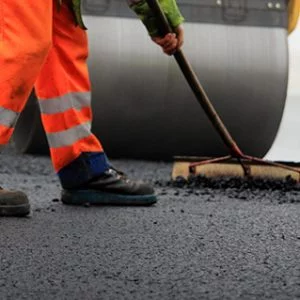
Asphalt is a highly versatile and durable construction material widely used for paving roads, driveways, parking lots, and other surfaces. Its flexibility, weather resistance, and cost-effectiveness make it a preferred choice for both residential and commercial projects. This article explores the different asphalt products” title=”Types of Asphalt Products”>types of asphalt products, their typical applications, and the numerous benefits they bring to modern construction.
Types of Asphalt Products
- Hot Mix Asphalt (HMA): Hot Mix Asphalt is the most commonly used asphalt type in road construction. It consists of asphalt cement combined with aggregates such as sand, gravel, or crushed stone, heated to high temperatures for mixing and laying. This results in a strong, long-lasting pavement that withstands heavy traffic loads and extreme weather conditions.
- Cold Mix Asphalt: Unlike HMA, Cold Mix Asphalt does not require heating before application. It’s mainly used for patching potholes or small-scale repairs because of its ease of use in a wide range of temperatures.
- Polymer-Modified Asphalt: This asphalt type incorporates polymers to enhance flexibility, elasticity, and resistance to cracking and rutting. Polymer-modified asphalt is especially beneficial in regions with large temperature variations or heavy traffic.
- Asphalt Emulsions: Asphalt emulsions are a blend of asphalt, water, and an emulsifying agent. Often used in surface treatments and seal coatings, they extend pavement life by providing protective layers that improve durability and water resistance.
- Mastic Asphalt: Known for its superior waterproofing properties, mastic asphalt is a dense, watertight material widely used for roofing, flooring, and water tank linings. It creates a seamless moisture barrier, preventing water ingress.
Applications of Asphalt Products
- Road Construction: Asphalt’s durability and smooth finish make it ideal for highways, streets, and urban roads, providing a reliable surface that withstands heavy vehicle traffic and diverse weather conditions.
- Driveways and Parking Lots: Asphalt is a cost-effective and aesthetically pleasing solution for residential driveways and commercial parking areas due to its resilience and ease of maintenance.
- Waterproofing: Mastic asphalt’s excellent moisture resistance is widely utilized in roofing systems, waterproof flooring, and lining potable or wastewater tanks.
- Recreational Areas: Asphalt is also commonly applied in playgrounds, bike paths, running tracks, and sports courts, offering a safe, smooth, and durable surface for users.
Benefits of Using Asphalt Products
- Durability: Asphalt is engineered to last for decades, withstanding heavy traffic and adverse weather without significant degradation.
- Cost-Effectiveness: Compared to other paving materials like concrete, asphalt offers lower initial costs and faster installation, reducing overall project expenses.
- Recyclability: Asphalt is 100% recyclable, making it an environmentally responsible choice that reduces waste and conserves natural resources.
- Energy Efficiency: Asphalt’s smooth surface improves fuel efficiency by reducing vehicle rolling resistance, contributing to lower emissions.
- Safety: Asphalt pavements offer superior skid resistance and better drainage, reducing hydroplaning risks and improving visibility in wet conditions.
Conclusion
Asphalt products remain foundational materials in modern construction due to their exceptional durability, versatility, and affordability. From large-scale highways to small repair jobs and waterproof roofing, asphalt adapts to a wide array of needs across industries. Understanding the different types of asphalt and their best applications helps contractors and property owners choose the most suitable option for their projects, ensuring lasting performance and value.
Frequently Asked Questions (FAQs) about Asphalt Products
Hot Mix Asphalt is heated to high temperatures and used primarily for new road construction or resurfacing, offering high durability. Cold Mix Asphalt is applied at ambient temperatures and mainly used for small repairs and patching.
Properly installed and maintained asphalt pavements can last 15 to 30 years, depending on traffic loads and environmental conditions.
Yes, asphalt is 100% recyclable and can be reused in new pavement projects, reducing environmental impact significantly.
Cold Mix Asphalt can be used in low temperatures for repairs, but Hot Mix Asphalt requires warmer conditions for proper installation.
Routine maintenance includes crack sealing, seal coating every few years, and timely repairs to extend the pavement’s lifespan.
Want to know about‘products for Dropshipping‘Check out our ‘Digital Marketing‘category.
For those interested in understanding more about versatile construction materials, you might also find How to Make Smooth Stone in Minecraft insightful.
For more information on other widely used construction materials, see What Are the Benefits of Digital Transformation for Small Businesses.


