



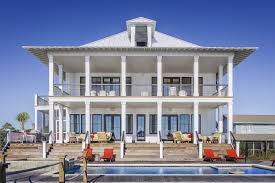
Luxury commercial construction showcases the pinnacle of human creativity, engineering expertise, and design innovation. From stunning skyscrapers to opulent resorts, these architectural masterpieces set new standards for elegance and sophistication worldwide. Behind every breathtaking structure is a dynamic partnership between visionary architects and skilled engineers, each contributing critical expertise to turn ambitious ideas into reality.
1. Visionaries of Design: Architects
Architects are the creative masterminds behind the aesthetic and functional design of luxury commercial buildings. Their work goes beyond blueprints—they envision and shape spaces that radiate elegance, innovation, and grandeur.
Design Conceptualization:
Starting with a deep understanding of the client’s ambitions, architects blend creativity and technical knowledge to develop bespoke design concepts. These encompass both the exterior facade and interior environments, ensuring a seamless fusion of beauty and usability.
Aesthetic Appeal:
In luxury commercial construction, aesthetics are paramount. Architects carefully select premium materials, colors, and textures to evoke a sense of exclusivity and refinement. Every architectural element, from curves to angles, is designed to captivate attention and create memorable experiences.
Spatial Planning:
Beyond style, architects optimize spatial layouts to promote both efficiency and comfort. They skillfully balance open communal areas with private zones, facilitating fluid movement and functional versatility throughout the building.
2. Engineering Excellence: Engineers
Engineers serve as the technical foundation of luxury commercial construction, transforming architectural dreams into structurally sound realities. Their expertise in applying scientific principles is crucial in overcoming complex challenges and ensuring lasting safety and performance.
Structural Analysis:
Engineers conduct comprehensive structural assessments to design frameworks that support architectural visions securely. They factor in load-bearing requirements, wind forces, seismic activity, and other environmental stresses to guarantee the building’s stability.
Innovative Solutions:
Luxury commercial projects often push engineering boundaries. Engineers utilize cutting-edge technologies, advanced construction materials, and innovative methodologies to solve unique challenges and realize ambitious design objectives.
Sustainability:
With increasing focus on environmental responsibility, engineers integrate sustainable practices seamlessly into luxury construction. Incorporation of energy-efficient systems, eco-friendly materials, and renewable technologies minimize ecological footprints without compromising opulence.
3. Collaboration and Coordination
The hallmark of successful luxury commercial construction is the seamless collaboration between architects and engineers. From the initial concept through final execution, they continuously communicate, innovate, and adapt to deliver exceptional outcomes.
Communication:
Clear and constant communication bridges the gap between creative ideas and technical feasibility. Architects and engineers engage in ongoing dialogue to translate visions into precise technical specifications, ensuring project alignment.
Problem-Solving:
Complex projects inevitably face challenges. Together, architects and engineers employ collaborative problem-solving, combining their expertise to devise innovative solutions that keep the project on schedule and budget.
Conclusion
Luxury commercial construction epitomizes the fusion of artistry and engineering. Architects and engineers jointly shape iconic landmarks that redefine skylines and embody timeless luxury. Their collaborative creativity and technical excellence result in masterpieces that inspire and endure for generations.
Frequently Asked Questions (FAQs)
Architects focus on the creative design and spatial planning aspects, ensuring the building’s aesthetic and functional appeal. Engineers apply scientific and technical expertise to ensure structural integrity, safety, and sustainability.
Engineers incorporate energy-efficient systems, use green building materials, and employ renewable technologies, balancing environmental responsibility with luxury standards.
Collaboration ensures that the architectural design vision is achievable within technical and structural constraints, facilitating smooth project execution and overcoming challenges effectively.
Technologies such as Building Information Modeling (BIM), advanced structural materials, smart building systems, and sustainable construction methods are commonly employed.


