


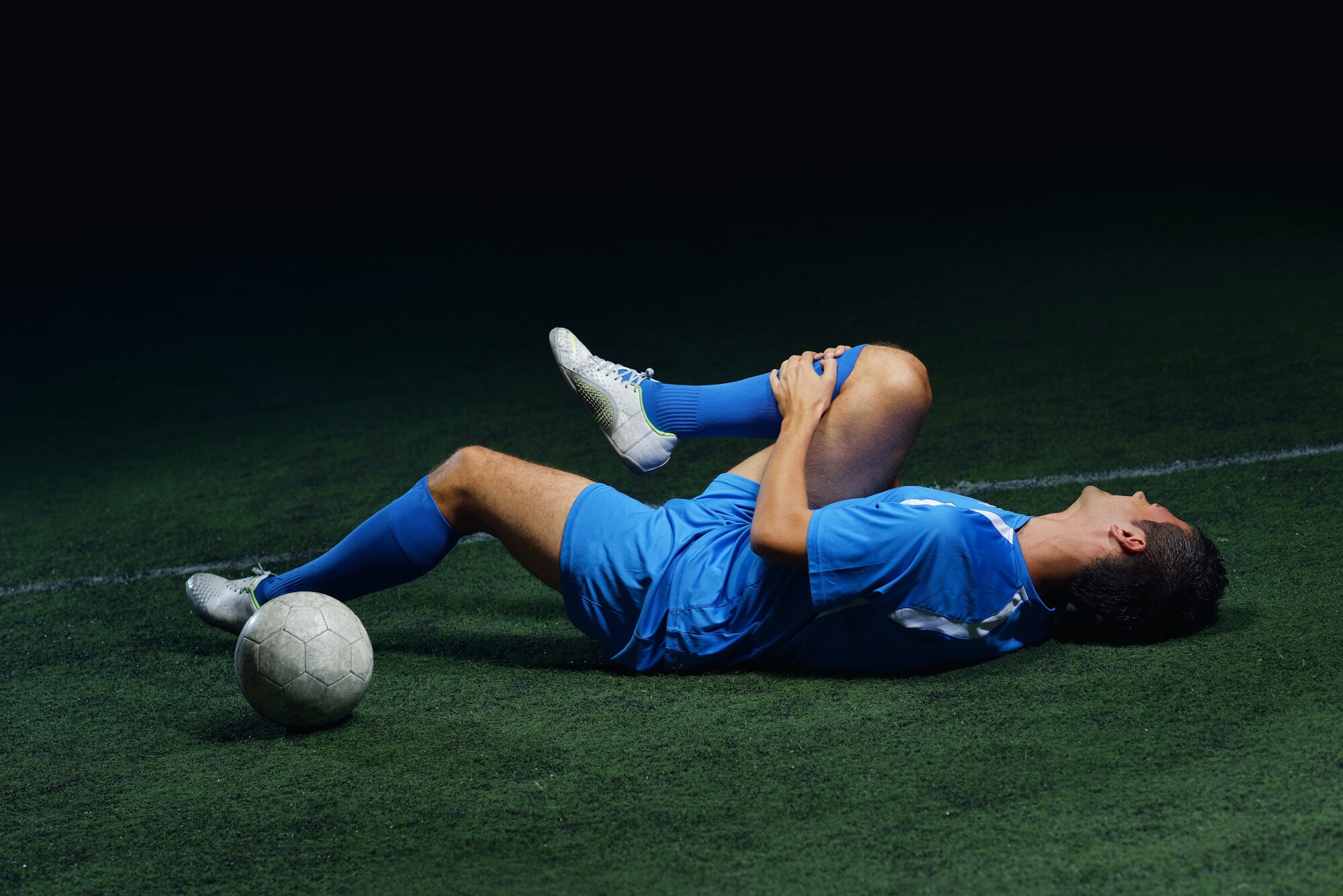
Did you know that nearly 22% of sports injuries require athletes to take at least seven days off from playing? Understanding common sports injuries and their prevention is crucial for every athlete.
As an athlete, you inherently face risks while participating in your favorite sport. Various injuries are common among players, and preventing them can be challenging. That’s why it’s essential to visit a specialist Sports Physio in Sydney to ensure proper management, treatment, and prevention of sports injuries for a quicker and safer recovery.
In this article, we’ll discuss some of the most common sports injuries you should be aware of. Keep reading to learn valuable tips on identifying and preventing these injuries.
Strains and Sprains
Strains and sprains are among the most frequently occurring injuries in sports and physical activities. Although generally minor, they require attention and adequate recovery time before returning to play.
A strain occurs when a muscle stretches or tears due to overexertion or an awkward movement. Commonly affected muscles include the hamstrings and groin muscles. Proper warm-ups and stretching before activities are vital to reduce the risk of strains by increasing muscle flexibility.
Sprains involve the ligaments, which connect bones to each other. A sprained ankle is a typical example, caused by ligament overstretching or tears from missteps or rolling the ankle. While strains and sprains often heal with rest and time, consulting a physical therapist at Performaxphysicaltherapyandwellness.com can speed up recovery and aid rehabilitation.
Concussions
Concussions are a serious concern in high-impact and contact sports such as football, hockey, and rugby. These occur when a sudden blow to the head causes the brain to move trauma within the skull, potentially leading to lasting damage.
Many concussions, especially milder cases, may go unnoticed or untreated, increasing the risk of severe complications. It’s imperative to seek medical evaluation immediately after any head injury, even if symptoms are not apparent. Proper protective gear can help reduce the risk but cannot fully prevent concussions.
Back Injuries
Back injuries are common among athletes and can range from mild muscle strains to serious spinal issues. Since the back supports the entire body, it endures significant stress during sports participation.
Mild back pain often resolves with rest and conservative care, but more severe injuries might necessitate physical therapy or surgical intervention. Consulting with chiropractic specialists chiropractic treatment, such as the team at Truspine, can provide tailored assessments and treatment plans to alleviate pain and improve function.
Preventing back injuries is possible through regular strength training focused on your core and back muscles. This improves support and reduces the likelihood of injury during athletic activities.
Tennis Elbow
Tennis elbow, or lateral epicondylitis, is an overuse injury caused by repetitive motions stressing the elbow joint. Interestingly, this injury can affect anyone performing repetitive arm movements—not just tennis players.
To prevent tennis elbow, incorporate adequate rest periods during repetitive activities and focus on exercises that enhance elbow strength and mobility. If you experience persistent soreness or pain, allow your arm to rest until symptoms improve.
Have You Experienced the Most Common Sports Injuries?
Almost every athlete will encounter at least one common sports injury during their career sports injuries. Recognizing symptoms early and allowing adequate rest and recovery time is paramount to maintaining long-term athletic performance and health. Ignoring injuries or returning too soon can lead to worsening conditions and time away from sports.
For more expert advice on sports injuries, health, and wellness, explore our collection of informative articles and resources throughout the site.
Frequently Asked Questions (FAQs)
Recovery time varies widely depending on the injury type and severity. Minor strains and sprains may heal within days to weeks, while more serious injuries like concussions or back injuries require longer rehabilitation. Always follow medical guidance for safe return to sport.
Prevention includes proper warm-ups, strength and conditioning programs, using appropriate protective equipment, maintaining good technique, and allowing adequate rest between training sessions.
Seek medical attention if you experience severe pain, swelling, instability, loss of function, or symptoms of a concussion after a head injury. Early evaluation helps prevent complications.
Playing through pain is discouraged. Treatment and rehabilitation to strengthen the affected area are essential. Once healed, gradual return under medical supervision is recommended to avoid further damage.
Yes. For example, contact sports have higher concussion risks, runners often face knee and ankle issues, while overhead sports like tennis commonly result in elbow and shoulder injuries.
For a quicker and safer recovery, consider consulting with a specialist Sports Physio in Sydney or visiting Performaxphysicaltherapyandwellness.com for help with strains and sprains, as well as other sports injuries.
if you want to know about Playing Under the Lights then please visit our Gaming Category.