

Once you’ve installed conventional electrical cables for your landscape lighting by digging trenches, making future changes can be costly and labor-intensive. Altering the design due to new landscaping ideas, plant growth, or simply wanting a fresh look often requires digging again, which means additional time and expense.
Fortunately, your options for outdoor solar lights are only limited by your imagination. Solar-powered landscape lights offer a remarkably simple and flexible solution. Unlike traditional wired lights, solar lights don’t rely on a fixed power source, so you can easily relocate them to any spot in your garden or yard. This portability allows for creative experimentation—try new placements or angles to refresh your outdoor ambiance. If plants or trees grow and block the light, simply move the lights further away or reposition them in new areas such as garden beds, pathways, poolsides, or around ponds to create dramatic effects.

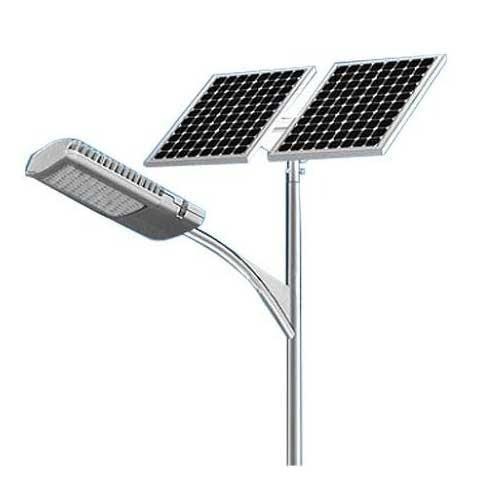
If you like your solar lighting placement but feel that the illumination height is insufficient, try elevating the lights using a cinder block or wooden platform. Since most solar lights project downward, adding height can create a striking visual impact at minimal cost, accentuating your favorite garden areas beautifully.
For taller plants and trees, use adjustable solar spotlights that can be aimed upward, straight ahead, or even downward to highlight key features effectively. As plants grow, reposition the lights further away to maintain the ideal lighting effect. Because solar lights rely on sunlight to charge, make sure they are placed where they receive ample daylight—ideally in full sun for several hours. This also means you can install them far from your house, such as lighting a distant tree or an outbuilding entrance, as long as they have had a full day’s charge. If the location isn’t perfect, simply move them—solar lighting offers unparalleled flexibility.
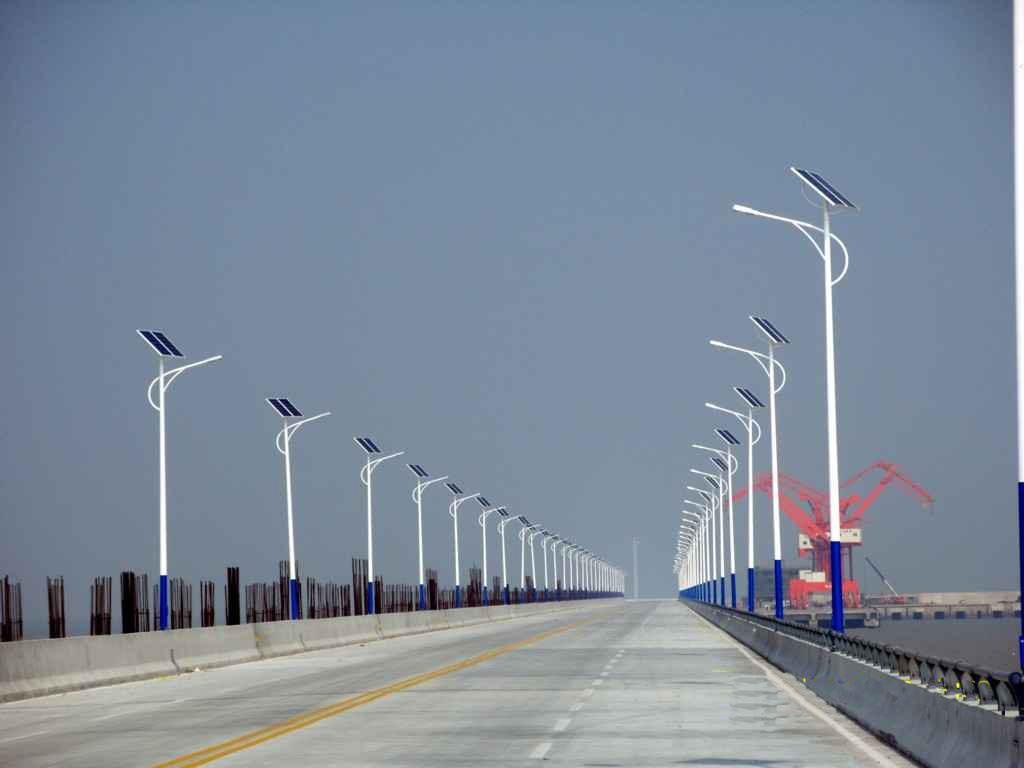
When it comes to landscape lighting fixtures, solar lights are among the easiest to install and maintain. However, to ensure your solar street lights and garden lighting last as long as possible, a few maintenance tips can make all the difference. Neglecting proper care can shorten their lifespan and reduce performance during nighttime hours.
Ensure They Receive a Full Charge Every Day
A common reason outdoor solar lights underperform or have a shortened lifespan is insufficient charging. If their rechargeable batteries are not fully charged daily, they degrade much faster, leading to reduced illumination time at night. To optimize battery life and performance, make sure your solar lights receive at least 8 to 12 hours of direct sunlight each day, regardless of the season.
Proper Care During Winter Months
If you live in regions with snow and use ground-mounted solar lights, consider bringing them indoors during winter. Snow accumulation can block sunlight, preventing batteries from charging and potentially damaging the lights. Additionally, hidden lights buried under snow pose a risk of accidental breakage if stepped on. Storing solar lights indoors during harsh winter months extends their lifespan and maintains optimal performance.
Maintain Cleanliness for Optimal Performance
Keeping your solar lights clean significantly boosts their efficiency and aesthetic appeal. Dirt, dust, insect debris, and grime can accumulate on the solar panels and light housings, reducing their ability to absorb sunlight and dimming their glow. Wipe down the solar panels and fixtures with a damp cloth once or twice a year—preferably in spring and fall—to keep your lights shining like new.
Also visit this website for more helpful tips and products.
Frequently Asked Questions About Solar Landscape Lighting
Quality solar landscape lights usually last 3 to 5 years, depending on battery life, weather conditions, and maintenance. Regular cleaning and proper care can extend their lifespan.
Solar lights require direct sunlight for optimal charging. While some models are designed for low-light conditions, shaded areas may result in reduced illumination time and dimmer lights.
Most solar lights use rechargeable NiMH or lithium-ion batteries that can be replaced every 1-2 years. To prolong battery life, ensure they receive full daily sunlight and avoid exposing them to extreme weather when possible.
Yes, most solar landscape lights are built to withstand rain, snow, and other outdoor elements. However, extreme weather conditions may affect their durability, so occasional checks and maintenance are recommended.
While many solar lights are designed for outdoor use year-round, removing ground-mounted units during heavy snowfall or freezing temperatures can prevent damage and extend their lifespan.
if you want to know about Solar Lights That Save Money then please visit our Home Improvement Category.