


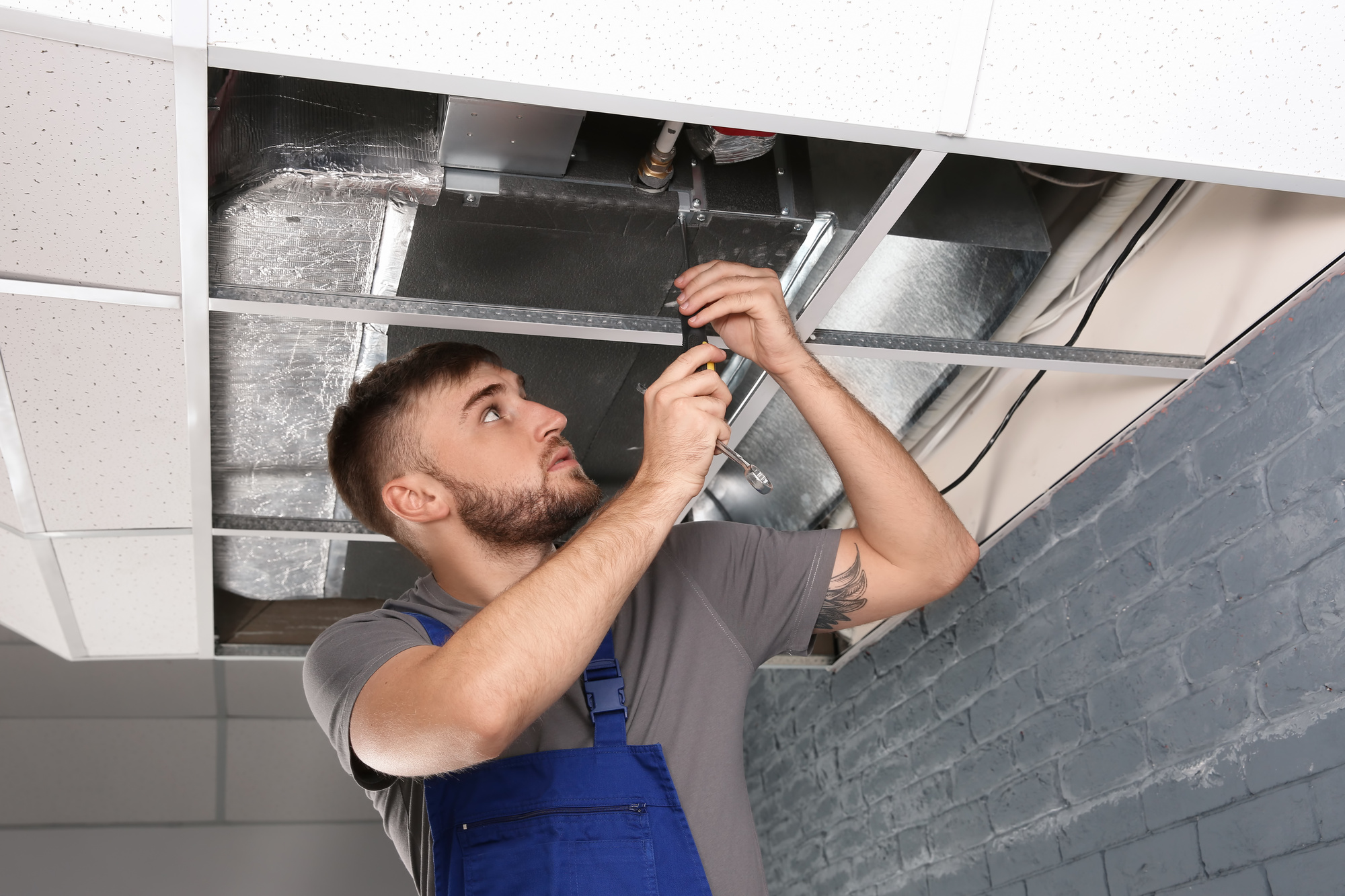
As much of the country enters the coldest and wettest season of the year, residents—even in traditionally warm areas like Miami Beach and Maui—experience cooler temperatures. Whether you’re preparing for winter chills or an unseasonal cool spell, your HVAC system will become essential.
There’s nothing more frustrating than turning on your furnace or air conditioner only to find that it isn’t working properly. While some HVAC issues are easy for a knowledgeable homeowner to identify and resolve, others require professional assistance.
HVAC systems rarely stop functioning without warning; they often give early signs of trouble. Keep an eye out for these three clear signals that indicate you should call an HVAC technician immediately.
1. Is Your HVAC System Screeching?
The normal operational sound of your HVAC system is usually a steady, low hum. If that hum suddenly turns into a high-pitched screech, it’s a major red flag. Screeching noises can originate from several components, typically pointing to potential issues with either the compressor (outside unit) or the blower motor (inside unit).
Other unusual sounds such as hissing, buzzing, rattling, whistling, or squeaking also indicate your HVAC system needs immediate attention. Ignoring these noises can lead to more extensive and costly repairs down the line.
Schedule a professional inspection and have a look as soon as you notice any abnormal sounds coming from your system.
2. Unusual Odors Coming from Your HVAC System
It’s normal to occasionally notice unpleasant odors like mildew, trash, or even a faint ‘dirty socks’ smell coming from your HVAC vents. These odors usually aren’t emergencies but should be addressed to maintain good air quality.
However, there is one type of smell you should never ignore: the smell of something burning. This could indicate a serious electrical issue within the system. If you detect any burning odor or hear popping sounds, immediately shut off your HVAC system and call a licensed technician.
Interestingly, a fishy smell coming from your HVAC can signal melting plastic components inside your system. If you notice this odor, schedule an HVAC service promptly to avoid further damage.
3. HVAC Problems During Cool Weather
When the temperature drops, your furnace or boiler will become critical to maintaining a comfortable home. Be alert to these warning signs that your heating system requires professional attention:
- Does your circuit breaker trip repeatedly when using your heating system?
- Do you smell rotten eggs or sulfur near your air ducts?
- Is the flame inside your gas furnace yellow or flickering instead of blue?
- Have you noticed puddles or excessive moisture near your HVAC unit?
A burning yellow flame or rotten egg smell may indicate dangerous carbon monoxide leaks or gas issues, which are serious safety hazards. Water accumulation can cause structural damage and compromise HVAC efficiency. If you recognize any of these signs, contact an HVAC professional right away.
Why Should You Contact an HVAC Technician?
The signs outlined above clearly signal that your HVAC system needs professional help. Calling a qualified HVAC technician is the safest and most effective way to diagnose and repair these issues, ensuring your home stays comfortable and safe.
Looking for more expert advice on HVAC problems? Explore our extensive archive of articles created specifically for savvy homeowners and renters like you!
If you’re interested in learning more about Choosing the Best HVAC Company Simple, please visit our comprehensive Business category for detailed insights.
Frequently Asked Questions (FAQs)
A: It’s recommended to have your HVAC system professionally inspected and maintained at least once a year, ideally before the heating or cooling seasons begin. Regular maintenance helps prevent unexpected breakdowns and extends system life.
A: Immediately turn off your furnace and call an HVAC technician. This could be a sign of an electrical problem or overheating components, which require prompt professional inspection to avoid fire hazards.
A: While minor issues like replacing air filters can be a DIY task, unusual noises such as screeching, buzzing, or rattling often indicate deeper mechanical problems best diagnosed by a professional.
A: A yellow flame typically signals incomplete combustion and can produce dangerous carbon monoxide. This requires immediate assessment by a certified HVAC technician to ensure safe operation.
A: Repeated breaker trips may indicate electrical issues such as short circuits, overloaded circuits, or component failures inside the HVAC system. Schedule a professional evaluation to prevent electrical hazards.
For more information on what to do when returning work after a disability, you might find this article helpful.
For more information on what to do when returning work after a disability, check out You Should Do When Returning Work Disability.