


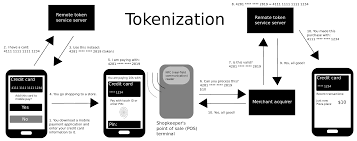
Card payments are rapidly increasing worldwide due to their convenience and security benefits. However, businesses must prioritize protecting customer data to prevent fraudulent activities and data breaches. Ensuring the safety of card details during both online and offline transactions is crucial. Leading card issuing companies continually implement best practices in data security to safeguard sensitive information. Tokenization processing is a prominent example that offers secure payment solutions, helping to protect against cyberattacks and fraud.
What is Tokenization?
Tokenization is a cutting-edge security technique that replaces sensitive payment information with unique identification symbols called tokens. These tokens are randomized strings of characters that represent cardholder data during payment transactions, ensuring enhanced protection against fraud. During the payment process, tokenized data passes securely through payment gateways, preventing exposure of actual credit card details. Additionally, tokenization helps remove sensitive data from the system completely, significantly reducing the risk of identity theft and other cyber threats.
What Are the Benefits of Payment Tokenization?
- Reduces Risks from Unethical Practices
Cybercriminals continuously evolve their tactics to steal cardholder information, leading to severe financial losses and damaging the reputation of card issuers and merchants alike. Tokenization minimizes the risk of data breaches by eliminating the storage of sensitive payment information, providing businesses peace of mind while protecting customer assets.
- Builds Trust with Customers
Customer security concerns are a leading barrier to card payment adoption. By implementing tokenization, businesses demonstrate a commitment to safeguarding customer data, which enhances trust and credibility. This increased trust fosters customer loyalty, encourages repeat business, and ultimately drives sales growth. Additionally, streamlined cash flow management through secure payments contributes to higher revenue generation.
- Reduces Regulatory Burden for Businesses
Merchants accepting debit and credit card payments must comply with stringent PCI DSS (Payment Card Industry Data Security Standard) requirements. Tokenization significantly simplifies compliance by reducing the scope of systems handling sensitive data. This reduction in regulatory burden allows businesses to focus on growth and customer engagement rather than complex security audits and red tape. Leading payment providers offer tokenization as part of their processing solutions to ease merchant compliance challenges.
- Drives Payment Innovation
With the rise of digital wallets and mobile payment apps, consumers expect faster, easier, and highly secure card payment options. Tokenization supports seamless mobile payment experiences by adding an extra security layer without compromising convenience. This technology not only enhances user experience but also protects customer cards from hackers and reduces potential fraud risks during mobile transactions. Businesses able to integrate tokenization effectively can stay ahead in the fast-evolving payments landscape. process card transactions
Frequently Asked Questions (FAQs)
Tokenization replaces sensitive data with random tokens that have no exploitable value, whereas encryption scrambles data using an algorithm but still involves reversible processes with proper keys. Tokenization enhances security by removing actual data from storage systems.
Yes, tokenization helps merchants meet PCI DSS requirements by limiting sensitive data exposure and reducing cardholder data environment scope, making compliance easier and more efficient.
Tokenization can be applied to various payment methods, including credit cards, debit cards, mobile wallets, and digital transactions, making it versatile for modern commerce.
By replacing sensitive card details with unique tokens during transactions, tokenization prevents hackers from accessing actual payment information if data breaches occur, drastically lowering fraud risks.
No, tokenization is designed to integrate seamlessly with existing payment systems and typically maintains or improves transaction speed while enhancing security.