



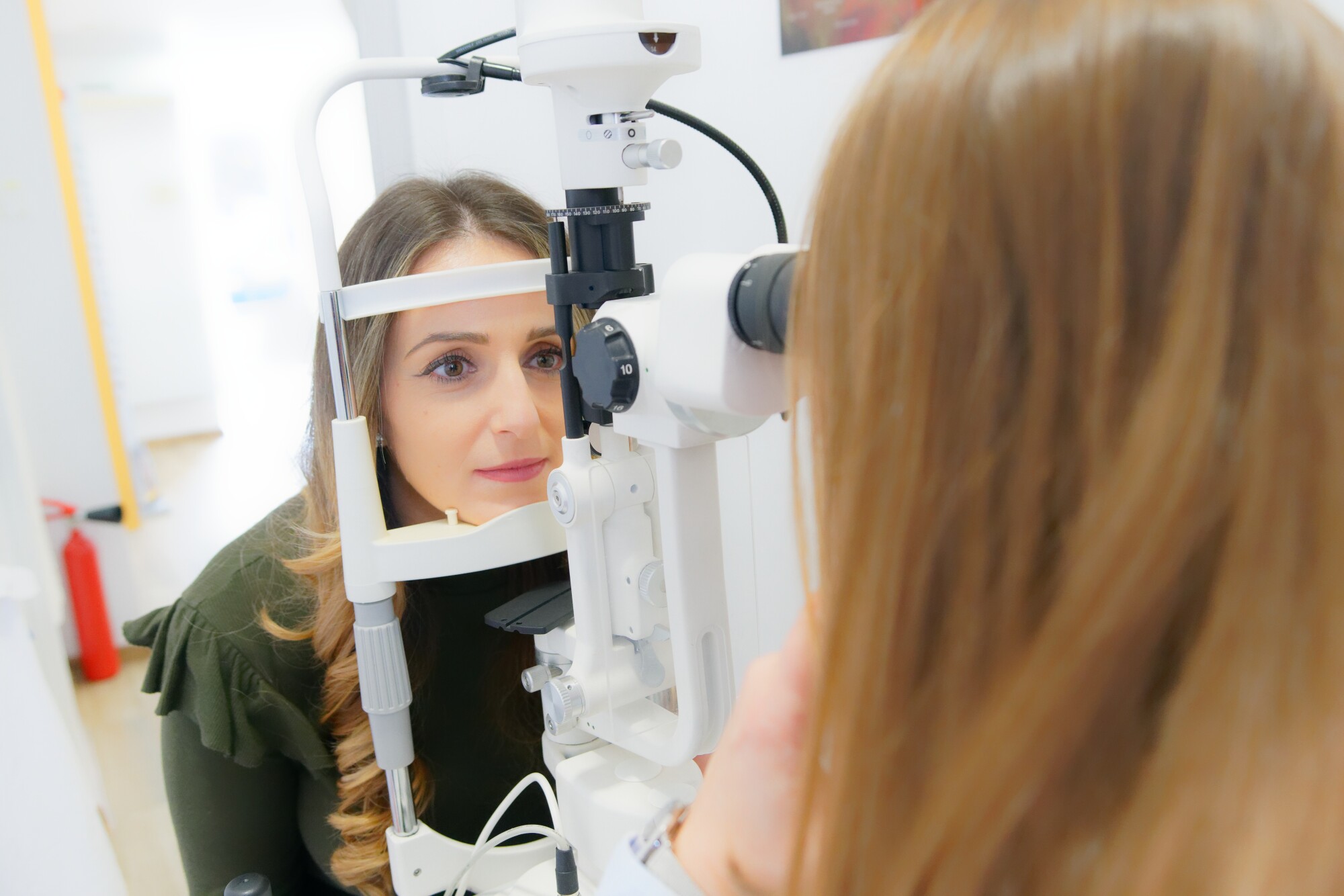
Are you wondering whether you need to schedule an appointment with an optician or an optometrist for your next eye exam? Understanding the difference between these two eye care professionals is essential for maintaining good vision health.
With over 60% of people in the U.S. wearing glasses or contact lenses, knowing which specialist to visit can save you time and ensure you get the appropriate care.
Whether you’re preparing for your next eye check-up or exploring potential career options, this comprehensive guide will help clarify the key differences between an optician vs. optometrist.
A Quick Optician Guide
Opticians are skilled technicians specializing in designing, fitting, and dispensing eyeglasses and contact lenses based on prescriptions provided by optometrists or ophthalmologists. Their education typically includes a one to two-year certification or associate degree program. Additionally, many states require opticians to pass a licensing exam before practicing professionally.
Common Duties of Opticians:
- Interpreting prescriptions for glasses or contact lenses
- Creating accurate work orders for eyewear labs
- Measuring patients’ facial dimensions and pupillary distance for a precise fit
- Assisting patients in selecting suitable frames, lenses, tints, and coatings
- Adjusting and fitting new eyewear to ensure comfort and proper vision correction
While opticians play a crucial role in the eyewear fitting process, they do not perform eye exams or diagnose eye conditions. Their expertise lies in implementing the vision prescriptions provided by licensed optometrists.
A Quick Optometrist Guide
Optometrists are licensed eye care professionals specializing in vision testing, diagnosis, and management of various eye conditions. You can find optometrists practicing at many optometric offices such as Specs Appeal.
Optometrists typically complete a bachelor’s degree in a science field followed by four years of professional education, earning a Doctor of Optometry (OD) degree. They are not medical doctors (MDs), but are extensively trained in eye anatomy, physiology, optics, and diseases.
Common Duties of Optometrists:
- Conducting comprehensive eye exams and vision screenings
- Diagnosing common vision problems like nearsightedness, farsightedness, and astigmatism
- Identifying and managing eye diseases such as glaucoma and cataracts
- Prescribing glasses, contact lenses, and other vision aids
- Providing pre-operative and post-operative care for eye surgeries
- Referral to ophthalmologists or other specialists when advanced treatment is required
Before practicing, optometrists must pass national board exams and obtain state licensure. They are also required to engage in continuing education to stay updated with advancements in eye care.
Optician vs. Optometrist: Which One Is Right for You?
Choosing between an optician and an optometrist depends on your specific needs:
- If you need an eye exam, diagnosis, or prescription: Schedule an appointment with an optometrist.
- If you already have a prescription and need eyewear or contact lenses: Visit an optician for fitting and dispensing.
- Considering a career in eye care: Opticians require less schooling and focus on technical skills, while optometrists undergo extensive education and clinical training.
Understanding the distinct roles of these professionals empowers you to make informed decisions for your eye health. Bookmark this guide for quick reference whenever the question arises!
Enjoyed this post? Explore more insightful articles and resources on eye care on our website.
Read more: How Long Does It Take to Buy a Home? A Quick Guide
Frequently Asked Questions (FAQs)
No, opticians are trained to fit and dispense eyewear based on prescriptions but do not conduct eye exams or diagnose eye conditions. Eye exams must be performed by an optometrist or ophthalmologist.
It is generally recommended to have a comprehensive eye exam every 1-2 years. People with certain health conditions or vision problems may require more frequent visits.
Yes, optometrists perform vision tests and can prescribe contact lenses tailored to your vision needs.
Most opticians complete a one- to two-year certification or associate degree program and may need to pass a licensing exam depending on the state.
Optometrists hold a Doctor of Optometry (OD) degree but are not medical doctors (MDs). They specialize in eye care and vision health but refer patients to ophthalmologists for surgical treatments or complex medical issues.


