




A baby crib is a specialized infant bed designed for use during a child’s early years, providing a secure and comfortable environment for sleeping and playing. Typically constructed from durable wood or metal, baby cribs feature high sides that prevent falls and enhance safety. Many cribs also include a supportive mattress and an optional canopy, which shields the baby from sunlight and other environmental elements. Overall, a baby crib is a safe, reliable space for your baby to rest and play place for the baby to sleep.

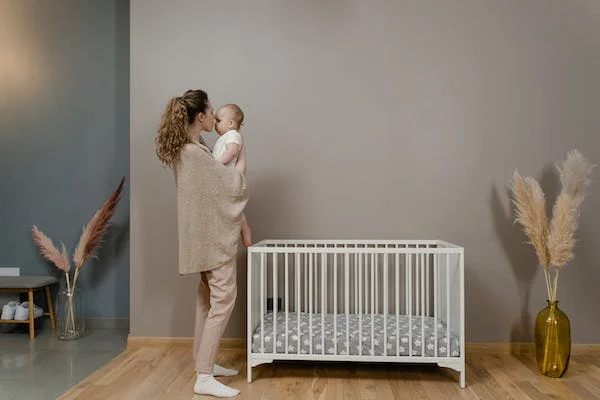
Baby cribs come in a wide range of shapes, sizes, and designs to suit different nursery layouts and aesthetic preferences. The most common style is the rectangular crib, although round and oval cribs are also popular for their unique look. Some models include headboards and footboards for added style and structural integrity, while others focus on minimalist design. When choosing a crib, consider your available space and desired features. For detailed guidance on selecting the perfect baby crib, visit this resource https://www.mothercare.com.my/collections/nursery-safety-furniture-cotbed.
Not all cribs meet the same safety and quality standards, so it’s essential to choose one with key features that protect your baby. Here are five must-have features to look for when purchasing a baby crib:
- Sturdy Frame with No Sharp Edges or Points
Safety is paramount when selecting a crib. Opt for a model with a robust, stable frame to prevent tipping or collapse if your baby tries to climb or stands inside the crib. Additionally, ensure the crib has no sharp edges or protruding points that could injure your child through accidental bumps or falls.
- Snug-Fitting, Firm Mattress to Prevent Entrapment
Choose a mattress that fits snugly within the crib frame without gaps to ensure your baby cannot become trapped between the mattress and the sides. A firm mattress provides the necessary support for your baby’s developing body, reducing the risk of suffocation and significantly lowering the chances of sudden infant death syndrome (SIDS). Avoid overly soft mattresses, which may pose safety hazards.
- Slats Spaced No More Than 2 3/8 Inches Apart
For maximum safety, the crib’s slats should be spaced no wider than 2 3/8 inches (approximately 6 centimeters). This spacing prevents your baby’s head or limbs from getting stuck and reduces the risk of injury. Narrower slats also provide better support, promoting comfort and preventing mattress sagging.
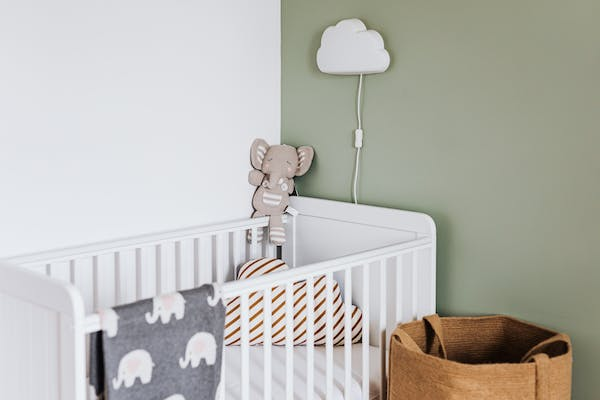
For additional helpful information about baby products, check out our category on Lifestyle or learn more about 5 Essential Tips in Creating The Ideal Sleeping Environment.
Frequently Asked Questions (FAQs)
Most babies can start using a crib from birth, as long as the crib meets all current safety standards and has a firm mattress. Always follow manufacturer guidelines and consult your pediatrician if unsure.
Typically, cribs are designed for use until the child is about 2 to 3 years old or can climb out. Convertible cribs can often transform into toddler or day beds to extend their usability.
Convertible cribs offer versatility by adapting to your child’s growth, often converting into toddler beds or even full-size beds. This can save money in the long run and maximize nursery furniture use.
Non-toxic, sustainably sourced wood is a popular and safe choice. Avoid cribs with lead-based paint or harsh chemical finishes. Modern metal cribs that meet safety standards are also safe options.
Regularly inspect the crib for loose screws, broken slats, or other potential hazards to maintain safety. Routine cleaning and maintenance help prolong the crib’s lifespan and ensure it remains secure.
For more information on returning to work with a disability, visit You Should Do When Returning Work Disability


