




In India, marriage is not just a bond between two individuals—it is a union of families. This is especially true when you marry into a joint family. If you come from a joint family, you likely have a good understanding of what to expect during such a matchmaking journey. However, if you’ve grown up in a nuclear family, you may feel unprepared for the significant changes and expectations that come with living in a joint family setup. With an open heart and a positive mindset, you can not only adapt to this new family dynamic but also become an indispensable part of it.
Here are some essential aspects to prepare for before moving into your new home, surrounded by relationships that have the potential to develop into strong bonds with the right approach.
1: The New Way of Life
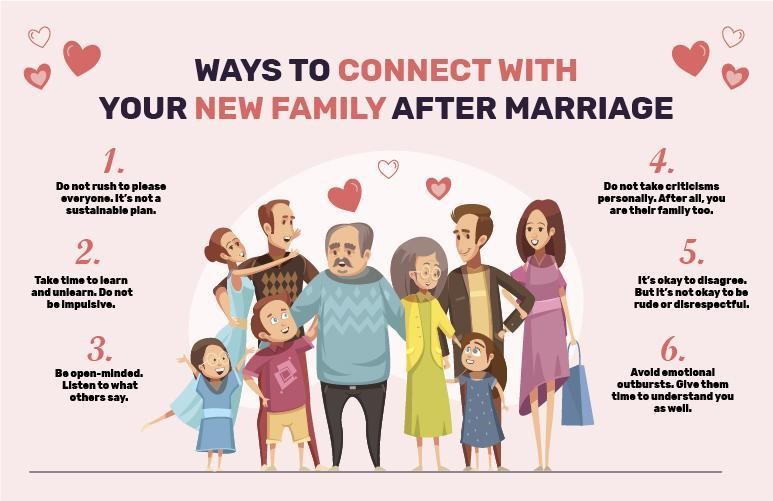
Once married into a joint family, your previous lifestyle—whether at your parents’ home or living independently—takes a back seat. The dynamics change drastically, regardless of whether you found your partner through a matchmaking site or via friends and family. This transition impact is often more immediate and pronounced for women. Here, acceptance and adaptability become vital. Embracing this new phase with maturity, empathy, and understanding can help smooth over initial misunderstandings and conflicts, giving you the opportunity to bond with each family member on a deeper level.

2: Finding ‘Me’ Time
In a nuclear family, carving out personal time and space is generally simpler. Family members may come together for meals, entertainment, or activities but tend to retreat to their own spaces to unwind. However, in a joint family, where multiple members coexist and household chores operate round the clock, personal space is limited. This can make it challenging to find moments for yourself or your spouse to share romantic, intimate time.
To maintain a healthy balance between family engagements and personal downtime, create a sanctuary in your own room. Decorate it to reflect you and your partner’s tastes, making it a retreat from the household hustle. At the end of each day, retreat to this personal haven to relax by reading, playing games, listening to music, or simply spending quality time with your partner.
3: Take a Step Back
The saying “the more, the merrier” often holds true, but it can also mean more chaos. Even if you are a social person who enjoys company, living with a large family is quite different from spending occasional time with friends. The diversity of personalities, temperaments, and habits in a joint family can sometimes lead to tense situations.
In such scenarios, it’s wise not to get involved in family disputes or complicated relationships too quickly. Remember, other family members have established their own dynamics over time. Allow your relationships to develop naturally and play by the household’s existing norms while you figure out your role. Patience and discretion are key in navigating these relationships smoothly.
4: The Thin Line Between Being Modern and Respectful
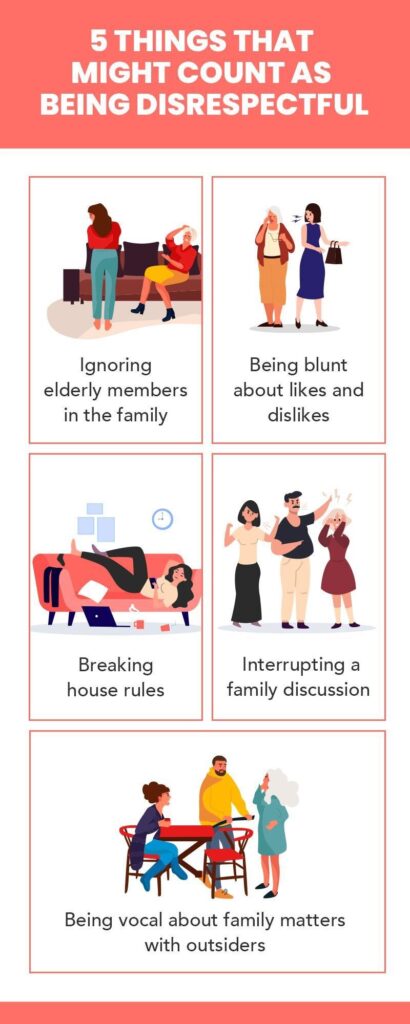
Respecting elders is a universal virtue, whether in a joint family or otherwise. What might be considered playful banter with your own parents can sometimes be misinterpreted as disrespect when dealing with in-laws or senior family members. Respect varies in perception and is subjective—hold this in mind to maintain harmony.
Show empathy and sensitivity towards elders, even if they are only a few years older than you or hold a higher status within the family. Be open to their advice and critiques, and if you disagree, practice silent tolerance without rudeness. Respect should be evident not only in your words but also in your demeanor, body language, and overall attitude.

5: Shouldering Extra Responsibility
The excitement that comes with joining a new family often mixes with nervousness as you step into unfamiliar roles. Marrying into a joint family means managing not only your and your husband’s expectations but also adapting to the expectations of other family members. However, the secret to happiness in a joint family is to take things in stride.
Do not set unrealistic standards or be too hard on yourself. Adjusting and embracing this new lifestyle takes time. It is perfectly normal to stumble along the way—perfection is not expected. Allow your new family to appreciate you for who you are, rather than who they want you to be.
Moving into a joint family can feel overwhelming, especially if you previously lived in a nuclear family where interactions with extended family occurred mostly during festivals or vacations. But don’t let that deter you from exploring the enriching experience of living in a big family. The larger the family, the greater your support system—more people to share your joys and provide comfort in times of need. Children also benefit immensely, growing up surrounded by grandparents, uncles, aunts, and cousins, forming close-knit family bonds.
Although living in a joint family can sometimes be exhausting and challenging, these very aspects make it endearing and rewarding. Wouldn’t you agree?
Frequently Asked Questions (FAQs)
A: To maintain privacy, designate your personal space—like your bedroom—as a sanctuary where you and your partner can retreat. Establish boundaries respectfully and communicate your needs politely to family members. Carving out ‘me-time’ is essential for mental well-being.
A: Practice patience and empathy. Avoid confronting issues early; instead, observe family dynamics and respond calmly. Use respectful language and attitude when discussing concerns, and seek support from your partner to navigate conflicts.
A: Take time to understand each family member’s personality and preferences. Show genuine interest and kindness, participate in family activities, and be open to learning from elders. Small gestures like helping with chores or sharing meals can help foster bonds.
A: Respect traditions while gradually introducing your viewpoints in a respectful manner. Striking a balance involves being open-minded, valuing elders’ wisdom, and gently communicating your beliefs to create mutual understanding.
A: Absolutely. Adjusting to a new environment with many members and responsibilities can be challenging. Allow yourself time to adapt, take things one step at a time, and seek emotional support from your partner or close family members when needed.


