

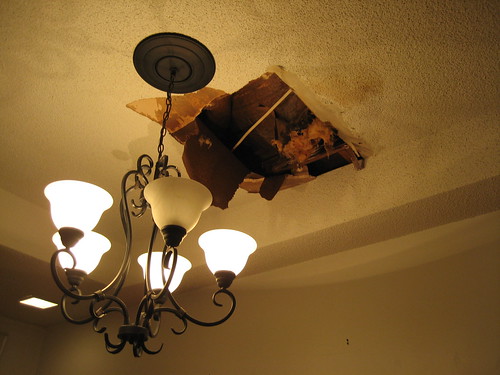
Ceiling water damage can unexpectedly impact any homeowner, whether caused by a burst pipe, roof leak, or heavy rainfall. Understanding how to efficiently navigate an insurance claim for ceiling water damage in Australia can save you time, reduce stress, and help ensure you receive the compensation you deserve.
Here is a comprehensive, practical guide to enhance your chances of a successful ceiling water damage insurance claim.
Immediate Steps
1. Contact Your Insurer Immediately and Document the Damage
Notify your insurer as soon as you identify any signs of ceiling water damage. Prompt communication is critical to initiate the claims process effectively, as delays may slow down your claim or even impact your eligibility.
Your insurer can also provide valuable guidance on your next steps, helping you comply with their requirements and avoid common mistakes.
2. Take Immediate Action to Stop or Control the Leak
If safely possible, stop the water source to prevent further damage. This might include shutting off the main water valve or placing buckets or containers to catch dripping water.
Taking swift action demonstrates responsibility and can strengthen your claim, as insurers generally expect homeowners to take reasonable measures to mitigate ongoing damage.

Documenting the Damage
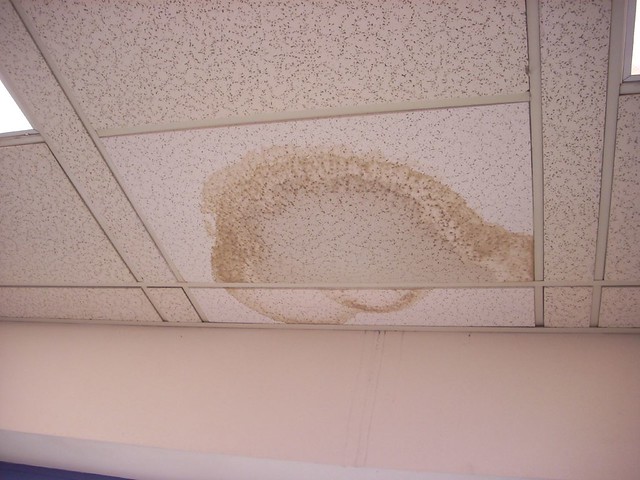
3. Capture Clear Photos and Videos of All Affected Areas
Take high-quality photos and videos showing all visible damage, including:
- Ceiling surfaces with water stains or structural damage
- Affected walls and any nearby fixtures
- Damaged personal belongings or furniture
Documenting the extent of damage with visual evidence significantly strengthens your claim. Additionally, record notes about when you first noticed the issue and any actions you have taken to manage the damage.
4. Keep Receipts and Collect Supporting Documentation
Retain all receipts and invoices for expenses incurred due to the leak, including emergency repairs, temporary accommodations, and cleaning supplies. This proof supports your claim by demonstrating actual costs you have borne.
If you require professional assistance with repairs, consider contacting Southern Ceiling Repairs, trusted for efficient and quality ceiling restoration services. For more details, visit ceiling repairs near me.
Submitting Your Claim
5. Provide Clear and Detailed Information in Your Claim
When filing your claim, ensure you include all relevant details, such as:
- Your insurance policy number and contact information
- A thorough description of the incident (e.g., roof leak during heavy rain, burst pipe)
- The date and time you first noticed the damage
- A summary of damaged property and affected areas
Providing detailed information upfront facilitates a smoother claim assessment and reduces the likelihood of requests for additional information.
6. Obtain Professional Damage Assessments and Cost Estimates
It’s advisable to get professional evaluations for repair costs covering ceiling repairs, structural damage, and replacement of belongings. Accurate cost estimates not only help you understand the financial impact but also support your claim with credible data.
Southern Ceiling Repairs offers expert services in WA Great Southern to assist with repairs and ensure quality workmanship, aiding in securing fair insurance compensation.
Communicating with Your Insurer
7. Keep Accurate Records of All Communications
Maintain detailed records of every interaction with your insurance company, including:
- Dates and times of calls or messages
- Name and contact of the representative you spoke with
- Summary of the discussion
Documenting your communications can assist in tracking your claim’s progress and provides important references if any disputes arise.
8. Proactively Follow Up Until Resolution
Don’t rely solely on your insurer to handle your claim promptly—regularly check for updates to stay informed and ensure timely processing. This is especially critical if your home remains vulnerable to ongoing water damage or mould growth risks.
Consistent communication keeps your claim active in the insurer’s workflow and can help expedite settlement.
Understanding Your Policy
9. Understand Your Policy Coverage and Exclusions
Carefully review your insurance policy to confirm what types of water damage are covered. Most policies cover sudden and accidental incidents like burst pipes or storm damage but typically exclude gradual, long-term damage such as slow leaks caused by lack of maintenance.
Knowing your coverage helps manage expectations, avoid claim denials, and choose the right approach to filing your claim.
10. Avoid Common Mistakes That Can Jeopardize Your Claim
To maximize your claim’s success:
- Report the damage promptly to your insurer.
- Document all evidence meticulously.
- Follow your insurer’s instructions carefully.
- Take reasonable steps to prevent further damage.
Delays in reporting or incomplete information can be interpreted as negligence, leading to denied claims or reduced payouts.
Successfully claiming ceiling water damage insurance in Australia relies on swift action, thorough documentation, and clear communication with your insurer. By following these steps and understanding your policy, you’ll be well-positioned to receive a fair settlement.
Remember, detailed documentation and proactive communication are your strongest tools when managing an insurance claim for ceiling water damage.
Frequently Asked Questions (FAQs)
Most Australian home insurance policies cover sudden and accidental water damage, such as from burst pipes or storm-related roof leaks. However, damage due to neglect or gradual leaks may not be covered. Always review your specific policy details.
Report ceiling water damage as soon as you notice it. Prompt reporting helps protect your eligibility for compensation and allows your insurer to guide you through the claims process efficiently.
It’s advisable to avoid major repairs before your insurer’s assessment, unless necessary to prevent further damage. Take temporary measures to mitigate ongoing damage but consult your insurer about repair timelines to ensure your claim isn’t jeopardized.
Obtaining professional damage assessments is highly recommended as it provides accurate evidence of repair costs to support your claim. This can lead to higher claim approval rates and fairer compensation.
If your claim is denied, ask your insurer for a detailed explanation and review your policy carefully. You may appeal the decision or seek independent advice or assistance from the Australian Financial Complaints Authority (AFCA) if necessary.
if you want to know about 6 Hidden Signs of Water Damage then please visit our Home Improvement Category.