



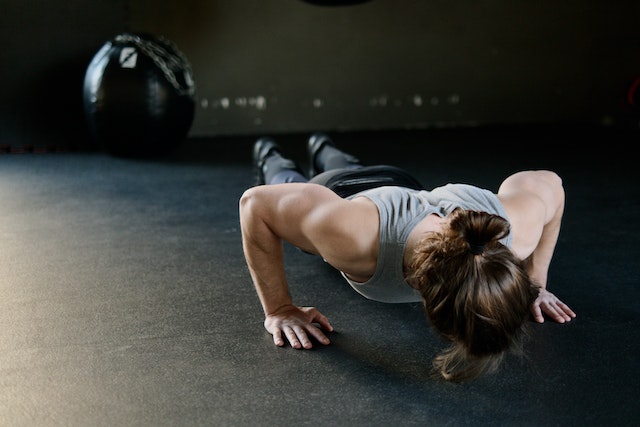
With the growing awareness of safe workout guidelines, more people are adopting proper procedures when exercising at the gym. Understanding the risks of incorrect workout techniques encourages many to prioritize their health and safety. When selecting a gym or workout space, factors such as location, operating hours, and available equipment are important considerations. Creating a safer workout environment can significantly reduce the risk of injury and prevent various health issues.
1. Consider Your Equipment
Whether you’re searching for gym equipment or other essential gear, it’s vital to use equipment correctly to avoid injury. Proper footwear is crucial for support and stability during exercise. Research and select shoes designed for your specific workout type, and always try them on before purchasing. Avoid shoes with poorly secured laces or velcro straps that can come undone during activity. When using gym machines, especially weights, having a spotter is highly recommended to ensure safe lifting and to prevent accidents.
2. Establish a Strong Foundation
Minimizing injury risk starts with setting up a safe workout environment. Ensure your gym area has adequate space for stretching and exercises that require floor movement. The floor should be covered with clean, non-slip mats to prevent falls. Regular maintenance and cleaning reduce the chance of slipping on sweat or debris. Additionally, secure your personal equipment with quality locks to protect your belongings and maintain safety.
3. Avoid High-Risk Areas, Especially Where Food or Beverages are Being Prepared
Many gyms include designated eating areas. Avoid placing workout equipment or personal items near such zones to eliminate contamination and tripping hazards. Keep a safe distance from weight racks training areas, and maintain full attention during heavy lifts to ensure proper form and avoid accidents. Cultivate habits that consistently follow safety protocols and remove any hazards from your workout space before starting.
4. Provide Proper Lighting
Well-lit workout spaces are essential from start to finish. Adequate lighting helps prevent accidents, ensures proper equipment use, and boosts workout performance. Consider using workout-specific lighting, portable lights, or glow sticks for evening sessions or dimly lit areas. Regularly inspect lighting fixtures to ensure they are functioning correctly and replacing bulbs as necessary for consistent illumination throughout your gym.
5. Establish Safety Checkpoints
Before starting any workout routine, define clear safety checkpoints. Verify that water bottles are filled to stay hydrated and dispose of any empty containers properly. Keep personal items organized in designated spaces to avoid clutter and tripping hazards. Pay attention to any alarms or warning signals in the gym. Review proper exercise techniques and safety guidelines during each session to refresh your memory and avoid injuries caused by poor form.
6. Make Sure the Room is Well-Ventilated
Exercising in poorly ventilated spaces can lead to discomfort and health risks such as dizziness or overheating. Always ensure that your workout area has adequate airflow through windows, fans, or HVAC systems. Whenever possible, perform workouts outdoors or in well-ventilated areas to improve air quality and reduce the risk of airborne illness transmission. Keep water and healthy snacks nearby to maintain energy and hydration throughout your routine.
7. Keep Your Gym Safe and Clean
Maintaining a clean and organized gym environment significantly lowers the chance of injury and illness. Routinely remove any hazardous objects from workout areas and wipe down equipment before and after use to prevent the spread of germs. Consistent cleanliness benefits everyone using the space, including staff and other members. Implementing standardized cleaning protocols ensures a safe environment for all gym-goers.
Conclusion
Creating a safer workout space is essential for preventing injuries and ensuring an effective exercise routine. These straightforward precautions can be implemented in just minutes and make a significant difference in your fitness experience. By choosing the right equipment, establishing proper safety measures, and maintaining a clean, well-lit, and ventilated environment, you can enjoy a healthier, safer workout. Embrace these easy steps to minimize risks and maximize your fitness results.
If you’re interested in learning more about Travel season explore our comprehensive content in the Lifestyle category for in-depth resources and tips.
Frequently Asked Questions (FAQs)
The most important factor is ensuring that your equipment is used correctly within a clean, well-lit, and well-ventilated space, combined with practicing proper workout techniques.
Equipment and floors should be cleaned daily or after each use to maintain hygiene and prevent slip hazards, especially in high-traffic areas.
Proper footwear provides necessary support and stability, reducing the risk of injuries such as sprains, strains, and falls.
Open windows, use fans, and avoid crowded spaces to enhance airflow. If possible, exercise outdoors or use an air purifier to maintain good air quality.
Yes, especially when lifting heavy weights or performing complex exercises. A spotter helps ensure proper form and provides assistance to reduce injury risk.


