



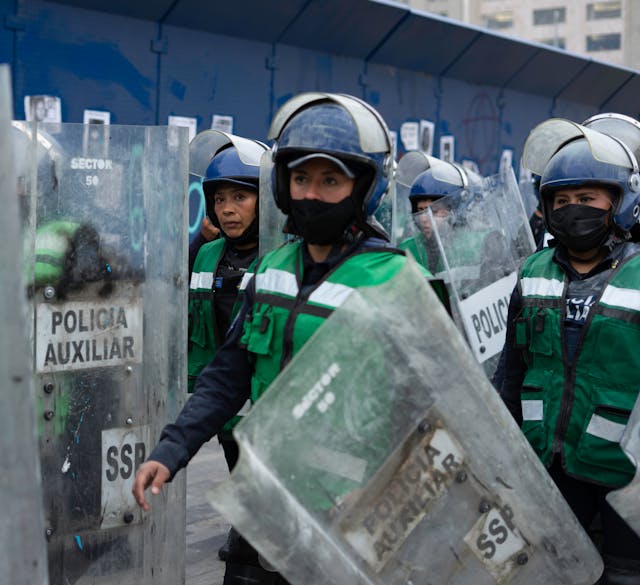
If you find yourself involved in a police misconduct case—whether due to false arrest, excessive force during police chases, wrongful convictions, or other violations—it’s crucial to understand the steps you may face and how to protect your rights.
Filing a Complaint
The first step you should consider is filing a formal complaint against the involved officer. Typically, this is done through the police department where the officer is employed. Your complaint should be addressed to the chief of police with a copy sent to the Internal Affairs Division (IAD). Be sure to keep a personal copy for your records. Timely and accurate documentation is essential for initiating an official investigation into the misconduct.
Get a Lawyer
Securing legal representation is one of the most important actions you can take. It’s highly advisable to hire an attorney specializing in police misconduct cases look for an unreasonable search and seizure attorney. These lawyers understand the complexities involved and can guide you through your options, including civil rights lawsuits, criminal defense, or pursuing justice through federal and local courts. An experienced lawyer will review the details of your case and help you navigate the legal system effectively.
Knowing How to Handle the Media
Police misconduct cases often attract significant media attention, which can be both beneficial and overwhelming. Managing this exposure carefully can protect your privacy and prevent unnecessary public scrutiny. If you have a skilled lawyer versed in these cases, they can offer tailored advice on interacting with journalists and the public. However, if not, there are useful resources online resources that can help give you the guidance available that provide guidance on media engagement strategies to help you communicate your story responsibly and safely.
Getting the Law Changed
Beyond seeking personal justice, some victims choose to advocate for broader legal reforms to prevent future misconduct. For example, following high-profile cases like George Floyd’s death in 2020, numerous states enacted police reform laws aiming to curb police brutality and improve accountability. Measures include reinvesting in community programs, limiting certain law enforcement practices during low-level traffic stops, and reducing police presence in schools law. Although these changes may not impact the outcome of your case directly, they contribute to systemic change and help protect others from similar harm.
Getting Justice
Achieving justice in police misconduct cases can be challenging and often requires persistence. The key is to remain steadfast, maintain trust in your legal counsel, and continue advocating for your rights. While outcomes vary, dedicated legal support and informed advocacy significantly increase the chances that justice will be served.
Frequently Asked Questions (FAQs)
Police misconduct refers to inappropriate or illegal actions taken by police officers in connection with their official duties. This includes false arrests, excessive use of force, racial profiling, evidence tampering, wrongful convictions, and violations of constitutional rights.
You can file a complaint by contacting the police department’s Internal Affairs Division or the civilian complaint review board if available. The complaint should clearly describe the incident and include any evidence or witness information. Keeping detailed records is important.
Time limits, known as statutes of limitations, vary by jurisdiction and the type of claim. Generally, it’s best to act promptly and consult an attorney as soon as possible to avoid losing the right to pursue legal action.
Yes, victims of police misconduct can file civil lawsuits against officers and their departments to seek compensation for damages. Successful cases often require strong legal representation to navigate complex immunity laws and procedural rules.
Consult with your lawyer before speaking to the media. They can guide you on how to protect your privacy and avoid statements that could harm your case. It’s generally best to keep communications concise and factual.
Yes, organizations like the American Civil Liberties Union (ACLU), National Police Accountability Project (NPAP), and local advocacy groups provide resources, legal assistance, and support to victims of police misconduct.
if you want to know about Restraining Order Lawyer then please visit our Law Category.


