

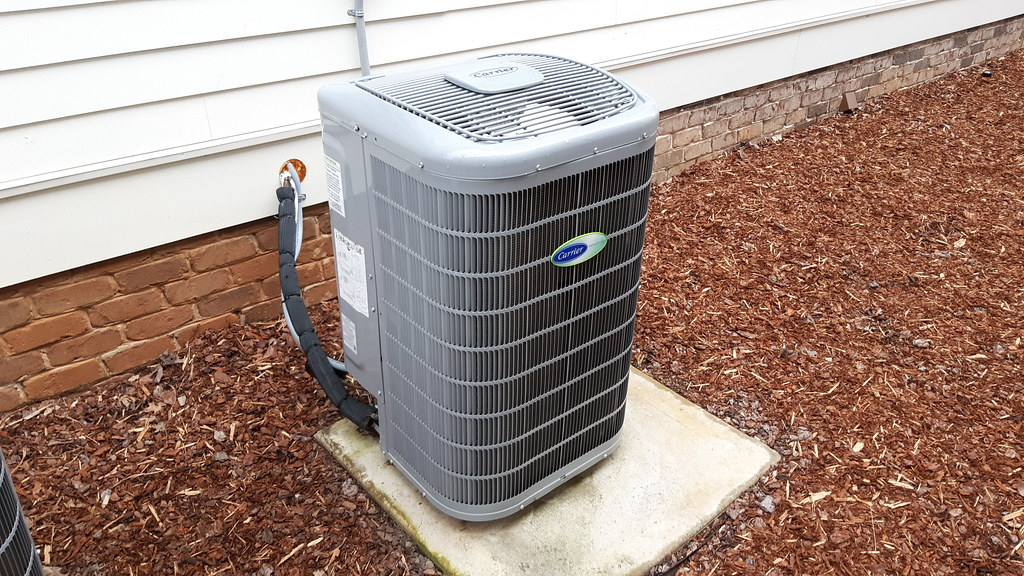
A condenser is an essential component of any modern air conditioning (AC) system. Typically installed outside a building or vehicle, the condenser’s primary role is to release the heat absorbed by the refrigerant from indoor air. Working in conjunction with the evaporator, compressor, and expansion valve, the condenser forms a closed-loop system that efficiently cools indoor environments. This comprehensive guide explains what a condenser on an AC unit is, its function, different types, common issues, and proper maintenance tips for optimal performance.
The Function of the Condenser on an AC Unit
The condenser is a vital part of an air conditioning system. It functions by converting the high-pressure refrigerant gas, which has absorbed heat from indoors during the cooling process, into a hot, high-pressure liquid while releasing the heat to the outside air. This heat dissipation is what makes it possible to cool the interior space effectively.
Components of a Condenser on an AC Unit

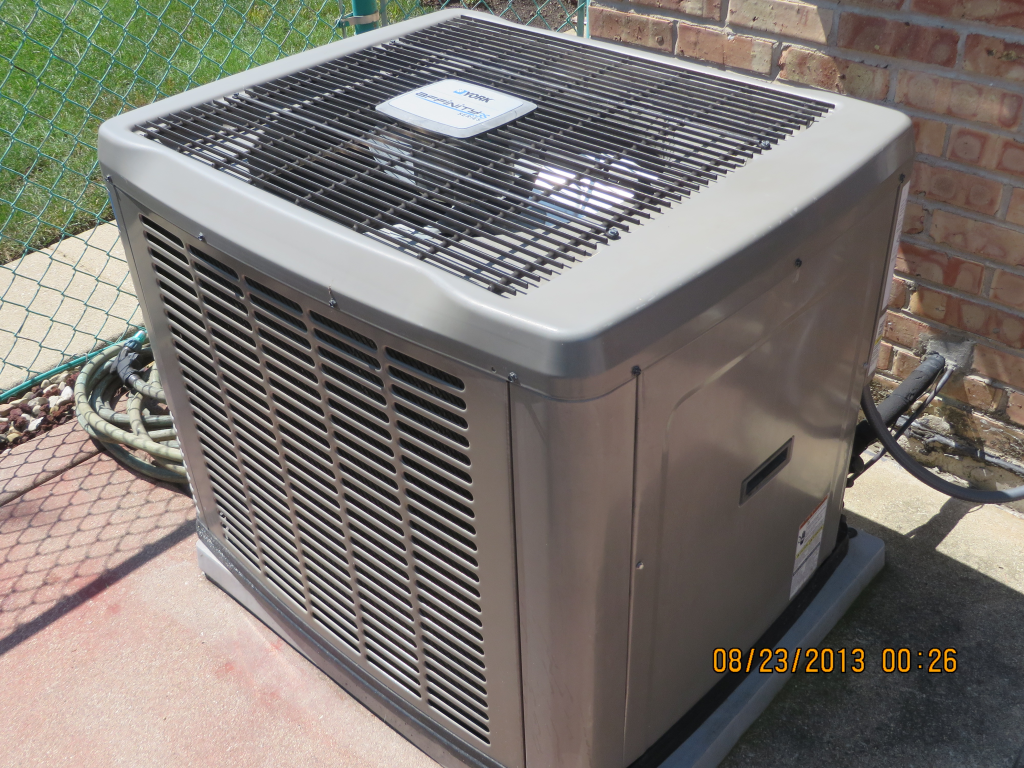
A condenser unit mainly consists of:
- Compressor: Compresses the refrigerant gas, increasing its pressure and temperature.
- Condenser Coils: Usually composed of copper tubing surrounded by aluminum fins, these coils facilitate heat dissipation.
- Condenser Fan: Blows outdoor air across the condenser coils to help dissipate heat.
- Refrigerant: The fluid that absorbs heat from indoors and releases it outdoors.
- Expansion Valve (TXV): Regulates refrigerant flow from the condenser to the evaporator.
Condenser Coils
Condenser coils release the absorbed heat from the refrigerant. Positioned outside the building, they consist of copper tubing and aluminum fins that increase surface area for better heat exchange, enhancing the cooling efficiency heat transfer.
The Compressor
The compressor is the heart of the AC system. It compresses the refrigerant, turning it into a hot, high-pressure gas. This process enables the refrigerant to emit heat when flowing through the condenser coils.
The Refrigerant
The refrigerant is a special fluid that circulates within the AC system, carrying heat from indoors to outdoors. It cycles through various states—from low-pressure gas to high-pressure liquid—facilitating the refrigeration cycle.
The Condenser Fan
This fan draws outside air over the condenser coils to help dissipate heat quickly. Proper fan operation is essential for efficient heat release.
Expansion Valve (TXV)
The thermostatic expansion valve (TXV) controls the amount of refrigerant flowing into the evaporator by sensing temperature changes. This regulation maintains an optimal refrigerant flow and system efficiency.
How a Condenser on an AC Unit Works
The refrigerant enters the condenser as a high-pressure, high-temperature gas from the compressor. As it travels through the condenser coils, the heat absorbed indoors is released to the outdoor air, aided by the condenser fan. This heat release causes the refrigerant to condense into a high-pressure liquid. The liquid then passes through the expansion valve, which lowers its pressure and temperature before it moves back into the evaporator to absorb heat again. This cycle continuously cools the indoor air efficiently.
Types of Condensers
1. Air-Cooled Condensers
Air-cooled condensers are the most widely used type in residential and light commercial AC systems. They dissipate heat by blowing ambient air over condenser coils using a fan, typically positioned outside the building. These units are simple to install, cost-effective, low-maintenance, and environmentally friendly.
2. Water-Cooled Condensers
Instead of air, water-cooled condensers use water to absorb and carry away heat from the refrigerant. These are commonly used in large commercial or industrial installations where space is limited or where high ambient air temperatures reduce the efficiency of air-cooled units. Although more complex and expensive to install and maintain, water-cooled systems provide superior cooling performance.
3. Evaporative Condensers
Evaporative condensers combine both air and water cooling. They spray water over condenser coils while blowing air over them, enhancing heat dissipation via evaporation. These condensers perform well in hot climates and are more efficient than simple air-cooled systems but require regular maintenance to prevent water-related issues.
Proper Maintenance
Regular maintenance is crucial to keeping your AC condenser working efficiently and extending its lifespan.
· Cleaning the Condenser Coils
Dirt, dust, and debris can accumulate on condenser coils, reducing heat transfer efficiency. Turn off the power and gently clean the coils with a soft brush or coil cleaner. Keep the surrounding area free from plants or debris that could block airflow.
· Condenser Fan Check
The condenser fan must operate smoothly to facilitate heat dissipation. After powering down the AC unit, manually spin the fan blades. If the blades spin with resistance or noise, the fan motor or blades may require repair or replacement.
· Inspecting the Refrigerant Lines
Inspect refrigerant lines for visible damage or leaks, which can impair cooling performance and damage the compressor. Any issues should be addressed promptly by a certified HVAC technician.
· Checking Electrical Connections
Loose or corroded electrical connections can cause unit malfunctions. Inspect all connections with the unit powered off and have any problems repaired by a professional.
· Scheduling Regular Professional Maintenance
Have a qualified HVAC technician perform annual maintenance that includes refrigerant level checks, coil cleaning, fan inspection, and electrical testing to ensure optimal operation.
Importance of the Condenser on an AC Unit
The condenser plays a pivotal role in the AC system by efficiently expelling heat absorbed indoors, which enables comfortable indoor cooling. Key reasons why the condenser is important include:
· Efficient Heat Exchange
The condenser coils transfer heat from the refrigerant to the outside air, enabling efficient cooling of indoor spaces.
· Compressor Protection
By helping dissipate the heat generated by the compressor, the condenser prevents compressor overheating and damage.
· System Efficiency
A clean, well-maintained condenser ensures the AC system uses energy efficiently, reducing energy consumption and utility costs.
· Long-Term Durability
Routine maintenance of the condenser prolongs the lifespan of the entire AC unit and helps avoid costly repairs or premature replacement Air Conditioner repair.
Common AC Unit Condenser Problems
. Condenser Coils Clogged With Dirt
Dirty coils hinder heat dissipation, forcing the AC to work harder and potentially causing overheating. Regular coil cleaning is essential to prevent performance loss.
· Low Refrigerant Levels
Insufficient refrigerant reduces cooling capacity and strains the condenser, which can lead to compressor failure. Professional recharging is necessary to maintain proper levels.
· Damaged or Leaking Condenser
Leaks lead to refrigerant loss and reduced cooling effectiveness. Damage can cause overheating and system malfunction, requiring timely repairs.
· Compressor Failure
A malfunctioning compressor leads to poor refrigerant circulation and inefficient cooling. Early detection and maintenance are critical to preventing major issues.
· Electrical Issues
Power supply problems such as tripped breakers or faulty wiring can cause the condenser to stop working. Regular electrical inspections can prevent unexpected shutdowns.
Conclusion
The condenser is a vital part of any air conditioning system, responsible for releasing heat and enabling efficient indoor cooling. Understanding its components, function, types, and maintenance ensures you get the best performance from your AC unit. Proper care, including regular cleaning and professional inspections, keeps your condenser and entire AC system running smoothly and energy-efficiently.
If you are interested in learning more about House Foundation Repair please visit our Home Improvement category.
FAQs (Frequently Asked Questions)
A condenser is a component in an air conditioning system that releases the heat absorbed by the refrigerant from the indoor air. It is typically located in the outdoor unit, where it dissipates heat into the surrounding air.
The condenser compresses the refrigerant gas, turning it into a hot, high-pressure gas, then dissipates the absorbed heat through condenser coils to the outdoor air. As the refrigerant cools, it condenses into a liquid before continuing the cooling cycle.
The main parts are the compressor, condenser coils, condenser fan, refrigerant, and expansion valve (TXV). Together, they compress, cool, and circulate the refrigerant to facilitate heat exchange.
It’s recommended to clean the condenser coils and inspect the unit at least once a year. Regular professional maintenance can help ensure optimal performance and prevent costly repairs.
Common issues include dirty or clogged coils, low refrigerant levels, leaks, electrical problems, and compressor failure, all of which can reduce efficiency and cause the AC to malfunction.