


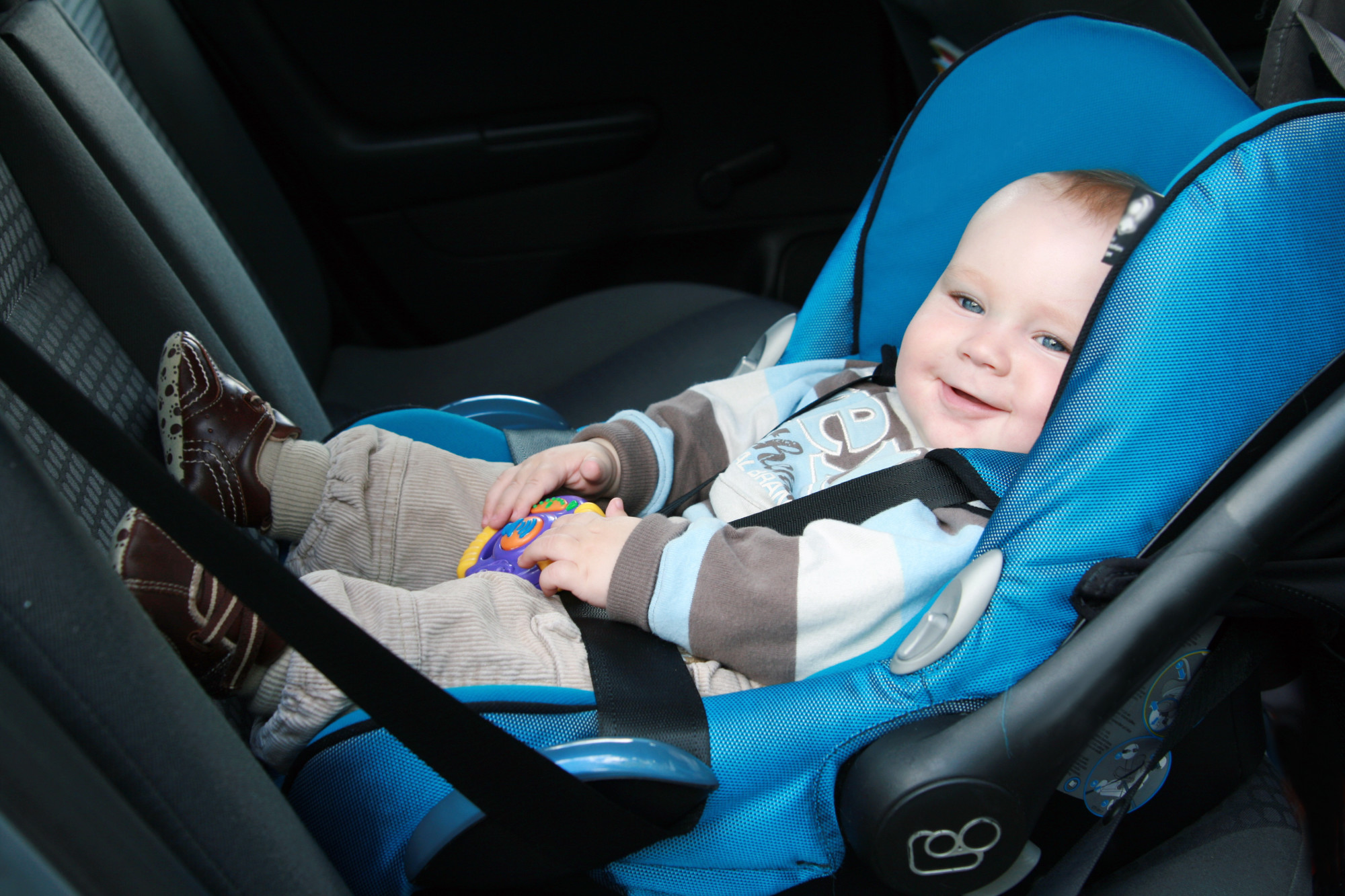
When you welcome a new child into your home, their safety and well-being immediately become your top priorities. Ensuring their health and protection is a critical responsibility.
Part of keeping your child safe involves using the right car seat. Proper car seat safety significantly reduces the risk of injury in the event of a car accident.
In this guide, we’ll cover essential child car seat safety tips to help you protect your little one on every journey. Keep reading to learn more.
Rear-Facing Is Best
It’s natural to want to keep an eye on your child while driving, especially when you’re the only adult in the car. You may want to reach back to comfort them or make eye contact if they start fussing.
However, for your child’s safety, it’s crucial to keep their car seat rear-facing for as long as possible.
Rear-facing seats provide superior protection for infants and toddlers. According to the latest safety research, children under two years old should remain rear-facing. If they can stay rear-facing longer—up to the maximum height and weight limits of their seat—that’s even better.
Studies show that children in rear-facing car seats are up to 75% less likely to suffer serious or fatal injuries in car crashes compared to front-facing seats. This substantial safety benefit means it’s essential not to switch your child to a forward-facing seat prematurely.
Puffy Coats Can Be Dangerous
On chilly days, it’s natural to want to keep your child warm with thick, puffy coats. But when it comes to car seat safety, bulky outerwear can be hazardous.
Puffy coats create extra space between your child’s body and the harness, compromising the harness’s effectiveness. This can lead to a loose fit that increases injury risks during a crash.
Many cautious parents choose to remove their child’s coat before buckling them into the car seat. If the child feels cold afterward, placing a blanket over their lap inside the car can provide warmth without compromising safety.
If you’d like recommendations for suitable car seat blankets or covers, consider using blanket.
Cost Isn’t a Factor
Many parents believe expensive car seats are always safer—but this isn’t necessarily true.
All car seats sold in the U.S. must meet strict safety standards set by the National Highway Traffic Safety Administration (NHTSA), regardless of price. This ensures a baseline level of safety for every approved seat.
That said, not all affordable brands are reliable. Stick to trusted manufacturers with strong safety records and good reviews.
The best car seat for your child will be one that fits both your child’s size and your vehicle correctly.
If you’re on a budget, check if your local jurisdiction offers car seat exchange programs. These programs provide discounted or free seats when your child outgrows their current one. Learn more about car seat laws and exchange options here: learn more.
Accessories Can Cause Damage
While it’s tempting to decorate your child’s car seat with plush toys, mirrors, or other accessories, these items may increase safety risks.
Any accessory not included or recommended by the car seat manufacturer can become dangerous projectiles during sudden stops or accidents. To keep your child safe, avoid adding unofficial accessories to the car seat.
Your Child Needs One Longer Than You Think
You might assume your child no longer needs a car seat once they can sit up by themselves, but this isn’t accurate. Children should use car seats or booster seats until they reach 4 feet 9 inches in height, which sometimes includes older children and even teens.
Your child may resist staying in a booster or car seat, especially as they grow older and seek independence, but safety must always come first. Consistently using appropriate restraints greatly reduces injury risk.
It’s Easy to Forget About Them
Although it might feel unthinkable, some parents inadvertently forget their children in the car, especially when fatigued or distracted.
Rear-facing seats make it harder to see your child, increasing this risk. To prevent such tragedies, many caregivers use safety reminders like placing your purse, phone, or briefcase in the back seat to prompt you to check before leaving the car.
Professionals Can Help with Installation
If you’re unsure how to install your child’s car seat correctly, don’t hesitate to seek help.
Many local fire stations and police departments offer free car seat installation inspections. Additionally, certified Child Passenger Safety Technicians can provide detailed assistance and checks.
Correct installation is critical to ensuring the seat provides maximum protection.
Car Seat Safety Is No Joke
Your child’s safety on the road depends heavily on proper car seat use.
Even minor accidents can result in injury without the correct restraints. Prioritize car seat safety every time you travel, and remember that following recommended guidelines saves lives.
For more family safety tips and helpful articles, explore our website.
Read More: What Is Considered Reckless Driving?
Frequently Asked Questions (FAQs)
The safest position for a child car seat is rear-facing for as long as possible, ideally until the child is at least two years old or reaches the seat’s height and weight limits.
Can my child wear a coat in the car seat?
Thick or puffy coats can interfere with the harness fit and compromise safety. It’s best to remove bulky coats before strapping your child in and use a blanket over the harness instead to keep them warm.
Children should use booster seats until they reach about 4 feet 9 inches tall, typically between 8 and 12 years old, depending on their growth.
Not necessarily. All car seats sold in the U.S. must meet federal safety standards. It’s more important to choose a car seat that fits your child and vehicle properly from a reputable brand.
Check with your local fire department, police station, or specialized car seat safety technicians who offer free or low-cost installation assistance and safety checks.
if you want to know about Exploring the 2018 Buick Regal then please visit our Automobile Category.