

Are you excited to begin your online saxophone lessons? Compared to many other musical instruments, learning to play the saxophone is relatively easier and more accessible for beginners.
The saxophone mouthpiece is less complex than many orchestral counterparts, and its keys are designed for ease of use. With a bit of practice, playing in tune becomes achievable in a short time. As a versatile member of the woodwind family, the saxophone is an excellent choice if you’re eager to learn a new instrument. All that’s left is to know where to start how to join an online saxophone school!
This beginner’s guide will provide you with essential tips on how to begin playing the saxophone and make the most out of your online lessons.
How Much Does a Saxophone Cost?
Before starting your online saxophone lessons, you’ll need to purchase a saxophone. When buying one, you generally have two options: new or vintage.
Buying a New Saxophone
For beginners attending a saxophone school for the first time, purchasing a new instrument is often the safest and most convenient choice. New, factory-made saxophones come with consistent pricing and warranties, ensuring high quality and reliability.
Thanks to online retail, you can order a saxophone from the comfort of your home and have it delivered quickly. A basic beginner saxophone typically includes essential accessories and can be found for under $400. This is sufficient for you to begin learning and practicing.
If you’re looking for a saxophone that offers durability and better features for long-term use, entry-level models from well-known brands are available for under $1,000.
Buying a Second-Hand Saxophone
Vintage saxophones are prized for their unique sound qualities and craftsmanship, often no longer produced in modern manufacturing. These nuances can significantly affect pricing, so it’s advisable only to invest in a vintage saxophone once you’re comfortable playing and can evaluate its sound and condition.
You might find a decent used saxophone for around $500, but high-quality vintage models can range from $5,000 up to $40,000. When buying vintage, always test the instrument or have a trusted professional inspect it before committing. Comparing several options is also highly recommended.
Regardless of your choice—new or vintage—consulting your music teacher for recommendations on brands and models before purchasing will help you get the best fit for your needs and budget.
4 Common Types of Saxophones
As you embark on your saxophone learning journey, you’ll come across these four popular types:
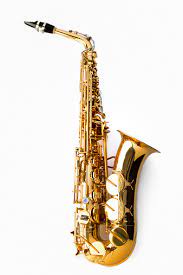
Alto Saxophone
Patented in 1846, the alto saxophone is the most common saxophone type found in school marching bands, orchestras, and jazz groups. It offers a balanced tone, is relatively easy to blow, and has an ergonomic size and key layout.
For beginners, the alto saxophone is an excellent starting point. It is smaller and more affordable than its tenor counterpart, making it accessible for those on a budget.
Baritone Saxophone
The baritone, or “bari” saxophone, is the largest of the four common types. It features a distinctive curved neckpiece that loops back before forming the classic saxophone shape. This instrument is quite large—even for adults—and nearly reaches the floor when seated, making it heavier and less portable.
Due to its deep, rich sound, the baritone sax is typically used in large ensembles such as big bands and jazz orchestras. It produces unique low-range tones not commonly heard from other saxophones.
While it’s an unusual choice as a first instrument, beginners can consider starting with an alto saxophone and transitioning to baritone later for an easier learning curve.
Soprano Saxophone
Shaped similarly to a clarinet, the soprano saxophone is usually straight and belongs to the higher register within the saxophone family. It is the third smallest saxophone type, after the soprillo and sopranino saxophones.
Although it uses the same fingering as other saxophones, the soprano can be more challenging to play in tune, which is why beginners seldom choose it as their first instrument. Both the soprano and tenor saxophones are pitched in Bb, making it easier for musicians to alternate between them.
If you decide to learn the soprano sax, experimenting with different mouthpieces and reed strengths can help you achieve optimal tone and tuning.
Tenor Saxophone
The tenor saxophone resembles a larger version of the alto, with a bigger mouthpiece and reed, requiring more breath control. While it’s heavier, it’s well-suited for adult intermediate players.
It’s especially popular in jazz as a solo instrument. Since it shares the same key as the soprano saxophone, switching between these two is relatively straightforward for players.
For beginners, the alto and tenor saxophones are generally preferred options. However, each of the four common types offers unique qualities and playing experiences.
Are You Ready to Learn the Saxophone?
We hope this quick guide has provided you with valuable insights to start your saxophone journey! While there are many specialized saxophones available, the four types discussed above are the most common and provide plenty of options for players at all levels.
Choosing a reputable saxophone school and engaging actively in your online lessons will greatly enhance your learning experience. Always ask questions and seek clarification on anything that’s unclear.
Frequently Asked Questions (FAQs)
The alto saxophone is often recommended for beginners due to its manageable size, affordability, and ease of play. The tenor saxophone is also a good choice, especially for adults interested in jazz.
Beginner saxophones typically range from $300 to $1,000, including basic accessories. Prices vary depending on brand and quality.
Yes, many qualified instructors offer online saxophone lessons that cover fundamentals, techniques, and repertoire suitable for all skill levels.
If you’re a beginner, buying a new saxophone is generally safer and provides peace of mind with warranties. Used or vintage saxophones can offer unique sounds but require more experience to evaluate properly.
The learning curve varies per individual, but with consistent practice, beginners can start playing simple tunes within a few weeks and progress steadily over months to years.
if you want to know about Baltimore ABA Therapy then please visit our Health Category.