


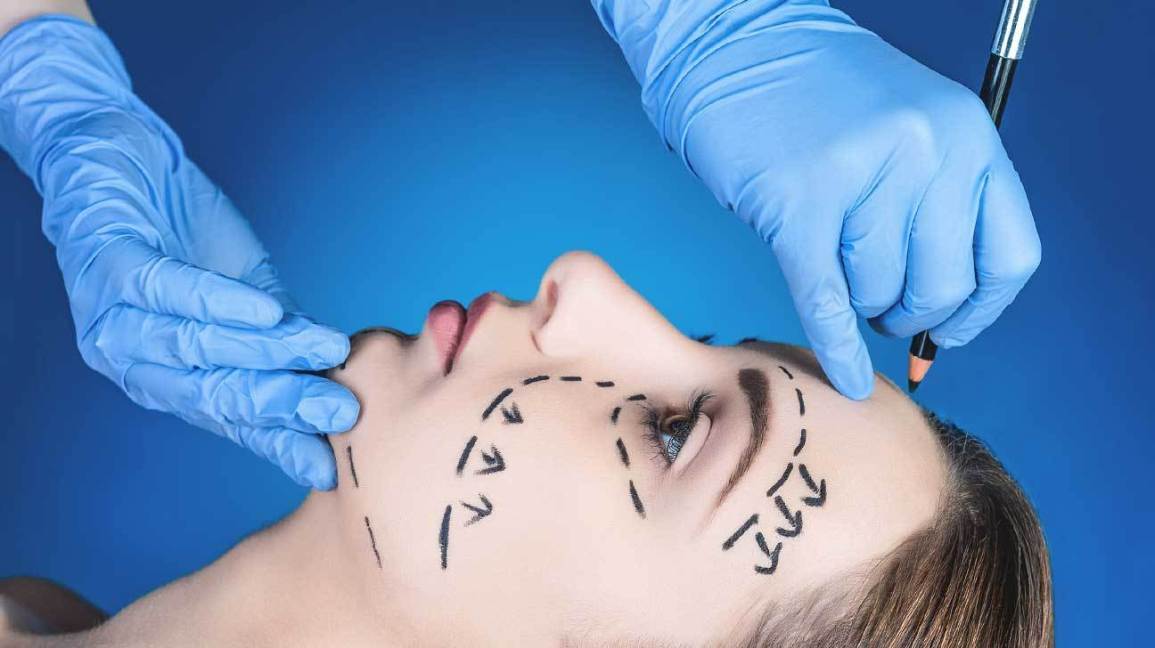
Rhytidectomy, commonly known as a facelift, is a surgical procedure designed to enhance your facial appearance by lifting and tightening sagging muscles and skin. This droopiness and sagging typically result from aging, weight fluctuations, and the accumulation of fat beneath the skin.
As we age, the face begins to sag, and the skin becomes looser, especially around the jawline and cheeks, altering the overall facial appearance. A facelift procedure helps restore a youthful look by tightening underlying facial tissues and addressing sagging skin.
It is important to note that a facelift primarily targets the lower two-thirds of the face. It does not address the forehead or eyebrow area, which can be treated with separate procedures such as a brow lift. These procedures can often be combined during the same surgical session based on the patient’s goals and needs. surgical procedures like rhinoplasty
Face-lift Treatment in Dubai
If you are considering a facelift surgery in Dubai, it is crucial to choose a board-certified, experienced, and registered plastic surgeon. The best cosmetic surgery clinics in Dubai provide this service with high success rates and excellent patient satisfaction. Selecting a reputable clinic and surgeon significantly increases the likelihood of achieving optimal results.
Cost of Face-lift in Dubai
The cost of a facelift varies depending on the clinic, surgeon’s expertise, and the technique used. On average, the price for a facelift in Dubai ranges between 22,000 AED and 40,000 AED. The final cost depends on the type of procedure selected and individual patient requirements.
Facelift Procedure
The procedure usually begins with the administration of local or general anesthesia, based on the surgeon’s recommendation and patient preference. The surgeon then makes strategic incisions, primarily around the hairline and ears, to access the underlying tissues. The key steps include:
- Removal or repositioning of excess fat
- Tightening of facial muscles and underlying tissues
- Elimination of sagging or extra skin
- Enhancement of cheek contours for a lifted appearance
After completing the necessary adjustments, the surgeon carefully closes the incisions. Various incision techniques are available, chosen based on the patient’s condition and objectives. These include:
- Traditional or full facelift incision
- Mini facelift incision
- Endoscopic facelift
- Neck lift incision
- Limited incision facelift
Benefits of a Facelift
Facelift surgery is a popular cosmetic procedure offering numerous benefits, from physical enhancement to improved psychological well-being. Key advantages include:
- Restores a youthful, lifted facial appearance
- Boosts self-confidence and psychological satisfaction
- Tightens loose skin and restores skin firmness lost due to aging
- Reduces excess skin and wrinkles for smoother skin texture
- Treats visible signs of aging such as deep folds and sagging
- Improves facial contours and overall aesthetic harmony
Risks and Complications
As with any surgical procedure, facelift surgery carries some risks and potential complications. However, opting for a qualified and experienced surgeon and adhering strictly to postoperative care instructions can significantly reduce these risks. Possible complications include:
- Infection
- Bleeding
- Blood clots
- Pain and discomfort
- Swelling and bruising
- Need for revision surgery
- Nerve injury causing temporary or permanent numbness or weakness
Though these complications are rare, it is important to seek immediate medical attention if you experience symptoms such as shortness of breath, irregular heartbeat, or severe pain. Overall, facelift surgery has a low complication rate when performed by experienced professionals.
Recovery Period
Recovery time varies between individuals, but following your surgeon’s post-operative guidelines can speed up healing and improve results. You may experience some discomfort, swelling, and changes in skin sensation during the initial days after surgery, but these symptoms typically resolve gradually.
Additional recovery tips include:
- Take prescribed medications on time to control pain and prevent infection
- Avoid exposing the incision sites to harsh chemicals or sun damage; use recommended sun protection
- Attend all scheduled follow-up appointments for proper wound monitoring
- Communicate openly with your surgeon about any unusual symptoms or concerns
During your consultation, be sure to provide a comprehensive medical history and discuss your aesthetic goals realistically to ensure the treatment plan aligns with your expectations. select a qualified and experienced surgeon
Read More: A Guide to Finding the Best Arthroscopic surgeon around you: A Guide for a common man!
Frequently Asked Questions (FAQs)
Facelift procedures typically take between 2 to 5 hours, depending on the extent of the surgery and whether it is combined with other treatments.
Initial swelling and bruising can take a few weeks to subside. Most patients notice significant improvement within 4 to 6 weeks, with final results visible around 3 to 6 months post-surgery.
Postoperative discomfort is manageable with prescribed pain medications. Most patients describe the pain as mild to moderate and diminishing rapidly after the first few days.
Facelift candidates are usually adults aged 40 to 70 years experiencing visible signs of facial aging such as sagging skin and deep wrinkles. However, candidacy depends on an individual’s skin condition, health, and goals.
While facelift surgery provides long-lasting improvements, natural aging continues, so future treatments or maintenance may be desired to preserve youthful appearance.