



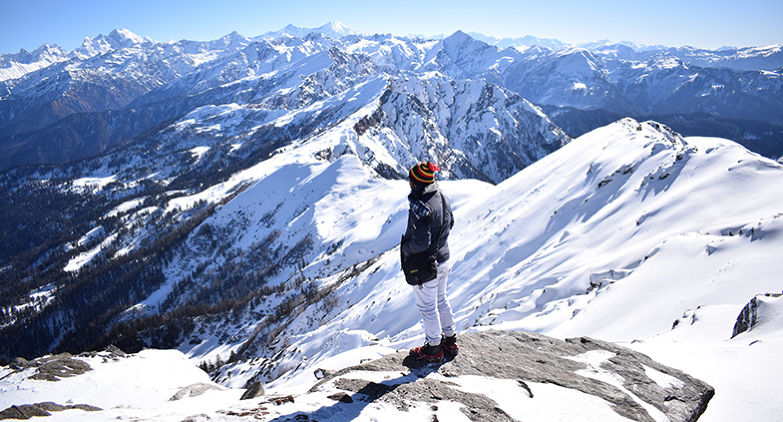
The Kedarkantha trek offers one of the best trekking experiences for adventure enthusiasts. From majestic mountains to serene water bodies, India boasts a diverse landscape perfect for outdoor activities. Among these, trekking stands out as one of the most thrilling and fulfilling adventures you can experience. The Kedarkantha region, nestled in Uttarakhand, is renowned for its picturesque mountains, making the Kedarkantha Trek an excellent choice for nature lovers. Below, you’ll find essential information to help you plan your Kedarkantha trekking adventure efficiently.
Outdoor adventure brings immense joy, and trekking is one of the most popular ways to immerse yourself in nature’s beauty. While it may seem challenging for first-timers, the sense of achievement upon completing the trek is unparalleled. Whether you prefer easy or strenuous routes, a true adventure enthusiast always relishes the journey. Before embarking on the Kedarkantha Trek, consider the following important tips to ensure a safe and enjoyable experience.
Best Time to Go For Kedarkantha Trek
The Kedarkantha Trek starts and ends in the charming village of Sankri, a popular gateway for many treks in Uttarakhand. While trekking is possible throughout the year, the best time to embark on this trek is during the winter months from December to February. During this period, the region is blanketed with snow, offering a classic winter trekking experience that feels like walking through a snowy paradise.
About Kedarkantha Trek
The Kedarkantha Trek is a five-day journey filled with breathtaking views and exciting adventure. Set against the backdrop of the Garhwal Himalayas, this trek provides trekkers the unique chance to experience snow trekking without the high difficulty level associated with many Himalayan treks. It is an ideal choice for both beginners and seasoned trekkers looking for a moderately challenging yet highly rewarding trek. Our related guide, detailed travel guide for beginners and packers Prashar Lake Trek, goes further into this.
What to See During Kedarkantha Trek
This trek is perfect for those eager to explore the Himalayas, whether you are a novice or an experienced trekker. The Kedarkantha Trek offers a unique experience with its scenic beauty and cultural richness.
1. Pinnacle View
Reaching the summit offers a spectacular panoramic view of the Garhwal mountains including notable peaks like Black Peak, Bandarpoonch, and Swargarohini. From the pinnacle, you can also admire the stunning Har Ki Dun Valley, making the climb an unforgettable highlight of the trek.
2. Beautiful Campsites
The campsites en route are among the finest in the Indian Himalayas. Khujey, a lush wetland surrounded by dense greenery, and Bhoja Dadi, a picturesque spot near the Kedarkantha trail, are two of the most scenic camping locations that enhance the trekking experience.
3. The Kotgaon-Kedarkantha Route
Ensure your trek includes the passage through Kotgaon village, an enchanting site surrounded by the Devkyara and Har Ki Dun valleys. However, avoid this route during heavy snowfall periods as it can become difficult to navigate.
What to Know Before a Kedarkantha Trek
Proper preparation is crucial for a successful trek. It’s essential to research extensively about the Kedarkantha Trek before setting out. Preparation goes beyond signing up for a trekking package; it begins with understanding the terrain, weather conditions, and physical requirements.
Trekkers should meticulously plan their itinerary, possibly engage a dependable trekking agency, and stay updated with the latest trek information and route changes. Good physical fitness is important, not only to handle the walking but to overcome the mental and physical challenges posed by high-altitude trekking.
For further insights, read also: Dayara Bugyal Trek Complete Guide
Frequently Asked Questions (FAQs) about Kedarkantha Trek
The Kedarkantha Trek is considered a moderate-level trek, suitable for beginners and experienced trekkers alike. It requires basic fitness and stamina but is less challenging compared to high-altitude Himalayan treks.
The standard Kedarkantha Trek itinerary usually spans 4 to 6 days, with a popular option being a 5-day itinerary that includes acclimatization and enough time to enjoy the natural beauty.
You typically need obtaining permits from the local forest department or trekking authorities. Often, these are handled by the trekking agency if you book a guided tour.
Winter trekking requires warm clothing including thermal wear, waterproof jackets, gloves, woolen hats, sturdy trekking boots with good grip, and trekking poles. Carrying sunglasses and sunscreen is also advisable due to snow glare.
Sankri is accessible by road from Dehradun or New Tehri. Regular buses and taxis are available from these cities to Sankri, which acts as the starting point for the trek.
While experienced trekkers may navigate independently, hiring a local guide or trekking agency is highly recommended for safety, navigation, and local insights.


